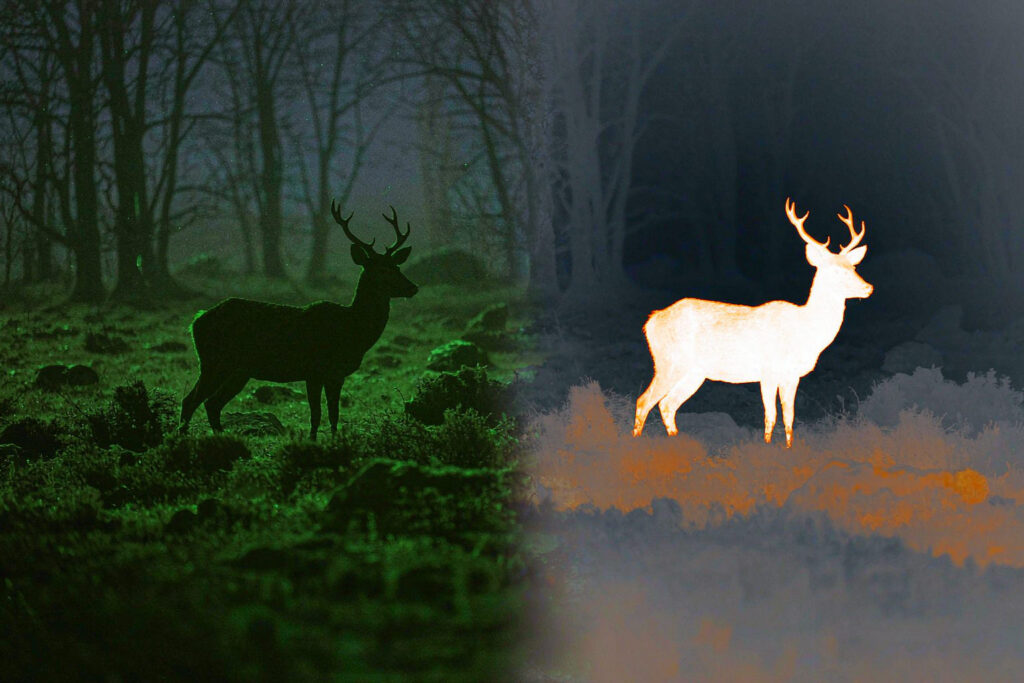
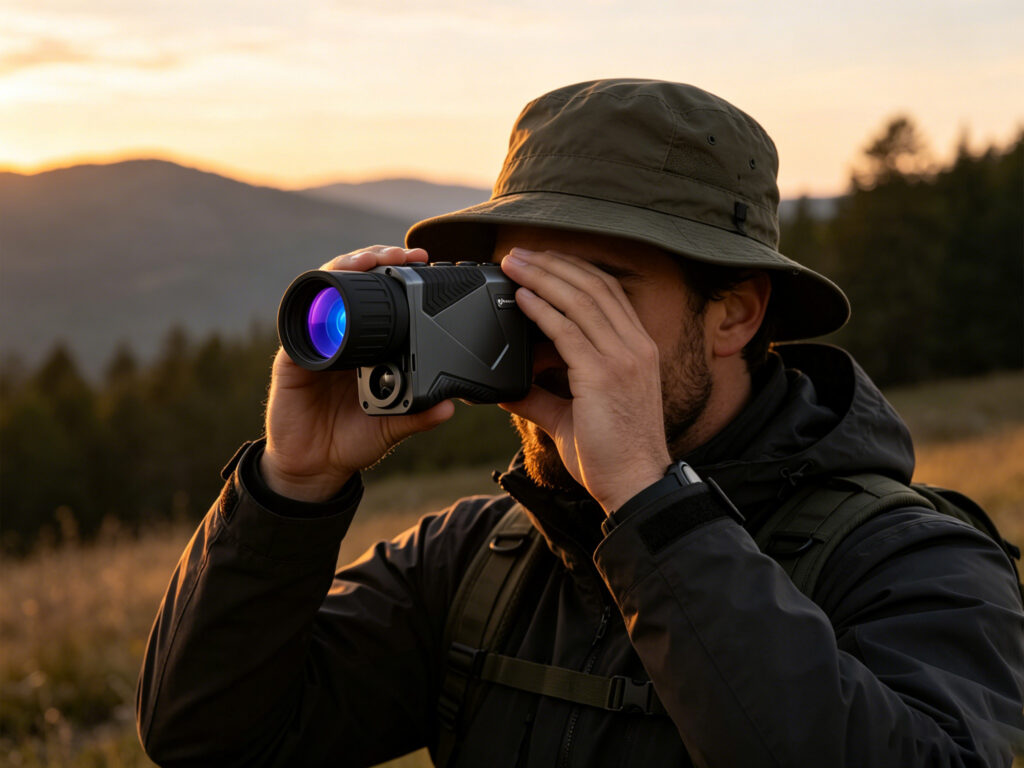
Outdoor observer using a thermal monocular at dawn

Field observation

Outdoor, Hunting & Wildlife Observation

Explore thermal imaging for hunting, wildlife observation, outdoor search, night awareness, and long-range field use with scopes and monoculars.

Application overview

How thermal imaging supports Outdoor, Hunting & Wildlife

Thermal scopes and monoculars help outdoor users locate heat signatures and maintain awareness when visible light is limited. Product selection should reflect the observation distance, target size, field of view, environmental conditions, local regulations, and whether the device is handheld, mounted, or used as a clip-on.

Typical use cases

Where the technology is applied

  • Hunting observation and target awareness in low-light conditions
  • Wildlife watching, population observation, and animal search
  • Outdoor navigation, property checks, and nighttime field awareness
  • Marine, coastal, and open-area observation where lighting changes rapidly

System selection

Key technical factors

  1. 01Detection range and image resolution
  2. 02Thermal sensitivity (NETD)
  3. 03Lens field of view and magnification
  4. 04Frame rate and display comfort
  5. 05Battery life, weight, and weather protection

Frequently asked questions

Questions about Outdoor, Hunting & Wildlife

What is the difference between a thermal monocular and a thermal scope?

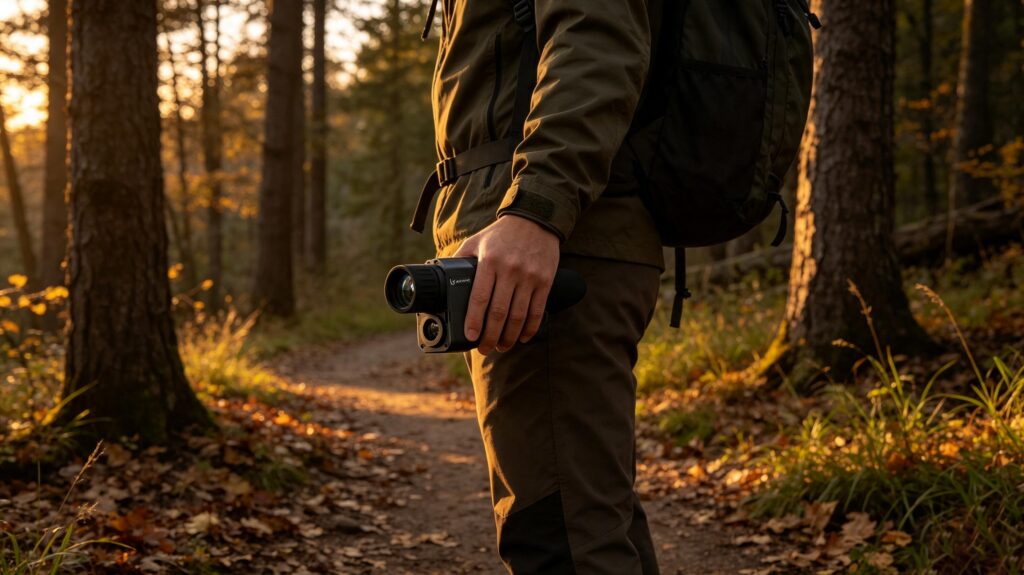
A monocular is primarily designed for handheld observation. A thermal scope is designed around a mounted aiming workflow, while some multifunction systems can support handheld, mounted, helmet, or clip-on configurations.

How far can a thermal camera detect an animal?

Detection distance depends on animal size, sensor resolution, pixel pitch, lens focal length, weather, thermal contrast, and the difference between simple detection and reliable identification.

Does higher resolution always provide a better outdoor image?

Higher resolution can preserve more spatial detail, but sensitivity, optics, image processing, display quality, frame rate, and environmental conditions also influence practical field performance.

Build the right thermal system

Discuss your application with Blunith.

Share the target, distance, environment, product format, technical requirements, and expected volume.

Start an Engineering Inquiry