
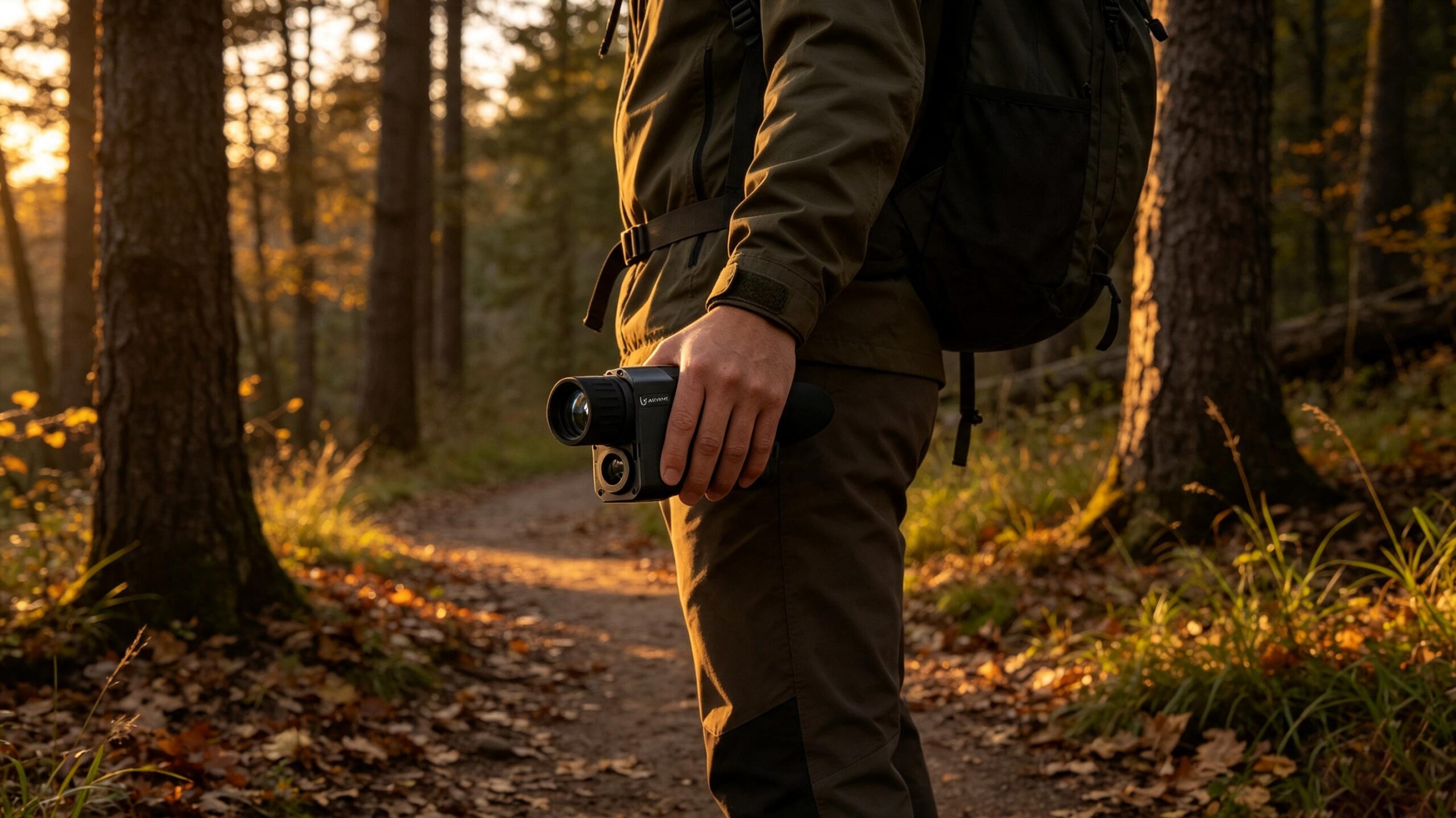
In outdoor exploration, field patrols, ecological protection, field operations and emergency rescue scenarios, most concealed living‑body risks and high‑temperature hazards cannot be identified by the naked eye or optical devices. Traditional visual inspections and light‑aided observation are greatly limited by darkness, fog, vegetation and terrain obstructions. Hidden dangers are hard to detect in advance and are often discovered only after incidents occur.
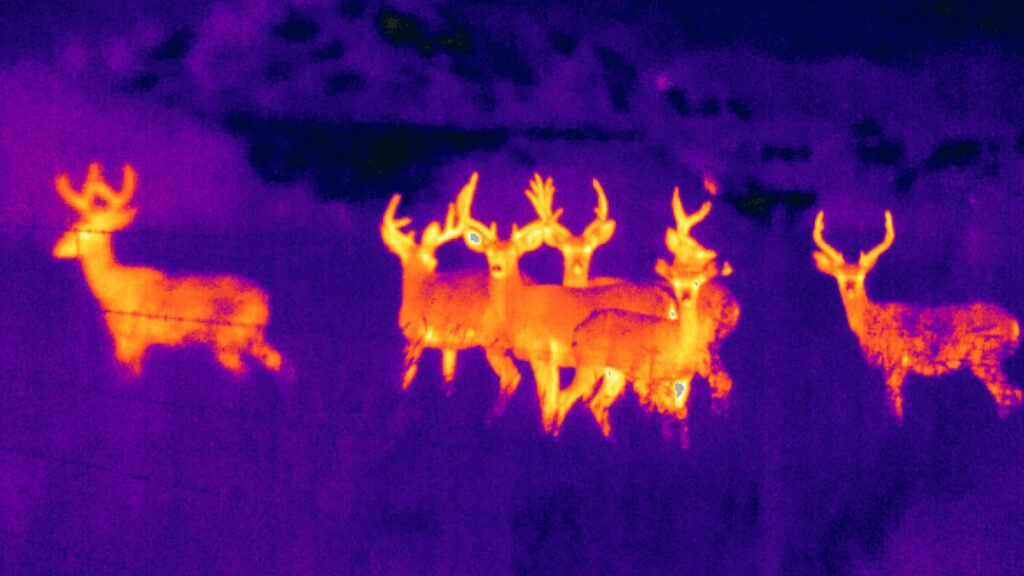
Handheld infrared thermal imaging cameras are portable, non‑contact field detection devices. They generate visual thermal images by capturing objects’ infrared thermal radiation. Unaffected by lighting conditions, darkness, rain, snow or fog, they eliminate the need for close‑range access to hazardous areas and can rapidly locate various concealed heat sources and safety risks in the wild. They have become mainstream practical tools for outdoor activities, ecological management and emergency rescue.
I. Core Advantages Over Conventional Outdoor Observation
Conventional outdoor observation relies heavily on ambient light. There are extensive visual blind spots at night, in fog or dense woodland. In addition, personnel face significant safety risks when conducting close‑range surveys in high‑risk wild areas.
Handheld thermal imaging cameras deliver stable imaging in harsh conditions including total darkness, heavy fog and dust. They enable long‑range, large‑area scanning and identification of heat sources. No supplementary lighting or close‑site operation is required. Visual blind spots are fully eliminated, and risks for field operations are avoided, making wild hazard inspection safer and more efficient.
II. Visualized Heat Source for Early Prediction of Field Risks
Safety risks such as wildfires, wildlife disturbances and concealed high‑temperature hazards are latent and hidden. Subtle temperature differences cannot be detected by the naked eye or ordinary optical equipment. It is difficult to predict risks in advance, and emergencies can only be handled passively after they happen.
Leveraging temperature visualization technology, thermal imaging directly displays full‑scene temperature distribution. It accurately identifies anomalies such as hidden under‑forest fires, heat accumulation in stockpiles and living targets concealed by vegetation. Inspections and early warnings can be completed before hazards break out, shifting field safety management from passive response to proactive prevention.
III. Multi‑scene Compatibility for All Types of Outdoor & Wild‑field Activities
Lightweight and portable, handheld infrared thermal imaging cameras work right out‑of‑the‑box with no wiring required. Adaptable to a wide range of complex wild‑field environments, they serve diverse scenarios including outdoor recreation, ecological protection, emergency search and rescue, wildfire prevention, field security surveillance and engineering operations.
1. Outdoor Exploration and Wild‑field Safety Protection for Recreation
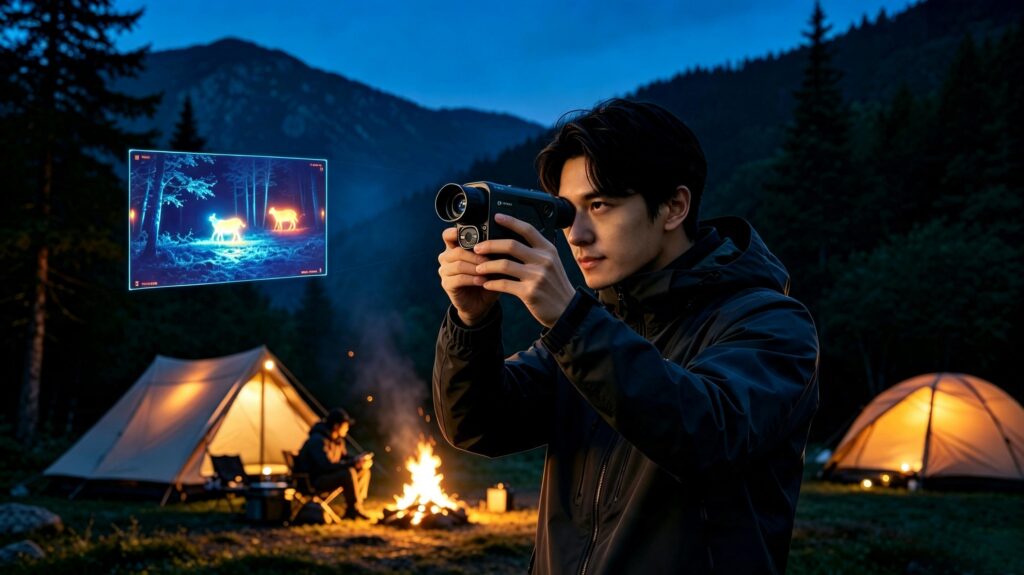
It is applicable to scenarios such as wild camping, mountain hiking, night cross‑country trekking, off‑road driving and outdoor fishing. Complex night‑time wild environments with limited visibility bring high risks including approaching wild animals and intruders. Handheld thermal imaging cameras scan surroundings around‑the‑clock and identify living‑body heat sources from a distance to anticipate potential hazards in advance. They provide all‑weather safety protection for individual outdoor trips and group wild‑field activities, effectively avoiding sudden dangers in the wilderness.
2. Outdoor Hunting and Wildlife Tracking Observation
Suitable for legal overseas hunting, wildlife tracking, site reconnaissance and safety protection for hunting‑related activities. Dense wilderness, darkness and fog create complex conditions where traditional visual observation struggles to spot animal locations and movement trails. Handheld thermal imaging cameras perform long‑range heat‑source scanning around‑the‑clock, clearly identifying wildlife distribution, hiding spots and movement paths. They assist users with field site investigation, target observation and environmental risk screening, improving the professionalism and safety of outdoor hunting operations. All applications shall strictly comply with local wildlife‑activity regulations.
3. Field Emergency Search and Rescue & Personnel Locating
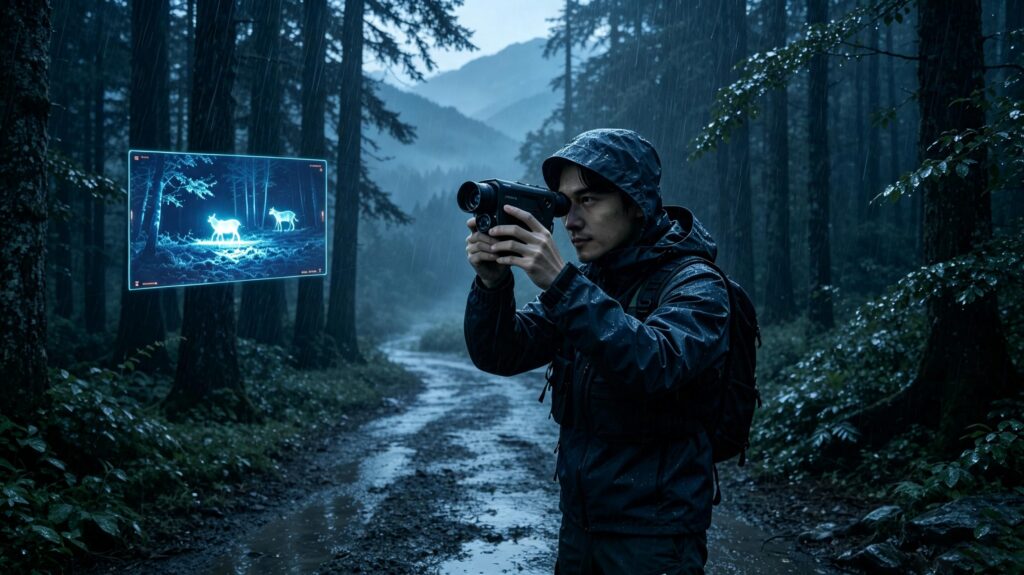
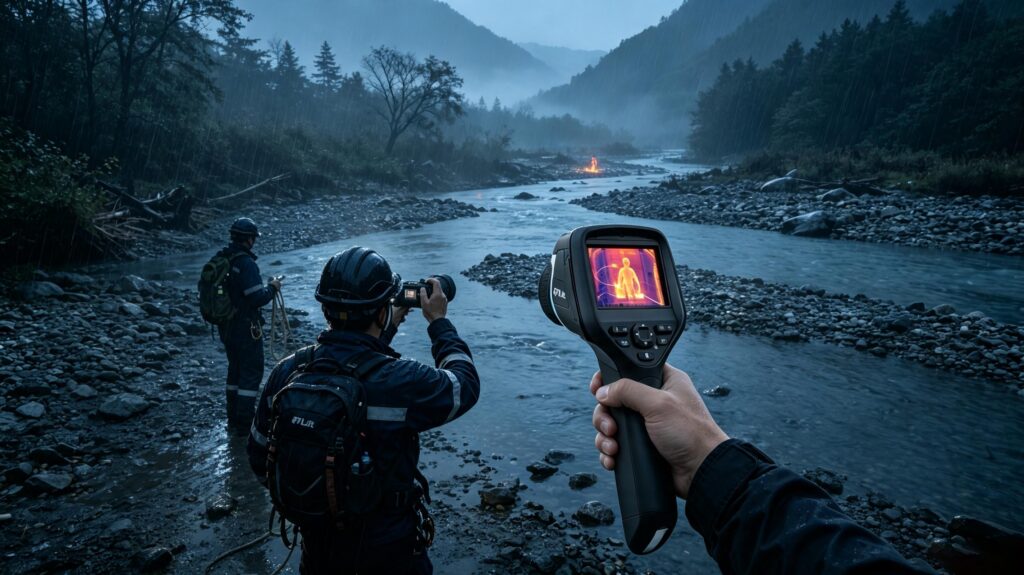
It covers emergency‑rescue scenarios including mountain woodlands, valleys, riverbanks and remote wilderness areas. Cases of missing, lost or stranded persons in the wild frequently occur at night or under severe weather conditions. Conventional rescue methods are inefficient, plagued by extensive blind spots and labour‑intensive. Handheld thermal imaging cameras can penetrate light fog and shallow vegetation to quickly lock onto human heat sources for accurate positioning of stranded and missing people. They can also locate lost pets and livestock, greatly boosting field‑rescue efficiency and seizing the critical golden‑rescue time window.
4. Wildfire Prevention and Field Hazard Inspection
It is widely applied in fire‑safety inspections for forests, grasslands and outdoor stockpiles. Hidden fire hazards such as smouldering under‑forest fires and heat accumulation in stockpiles are invisible to the naked eye and can easily escalate into large‑scale wildfires. Thermal imaging accurately captures subtle high‑temperature differences to detect early concealed fire spots, abnormal heat build‑up in vegetation and spontaneous‑combustion risks of stockpiles in advance. It enables early detection, early warning and early response to wild‑field fires, thus building a solid line of defence for mountain‑forest fire safety.
5. Field‑site Security and Boundary Patrol
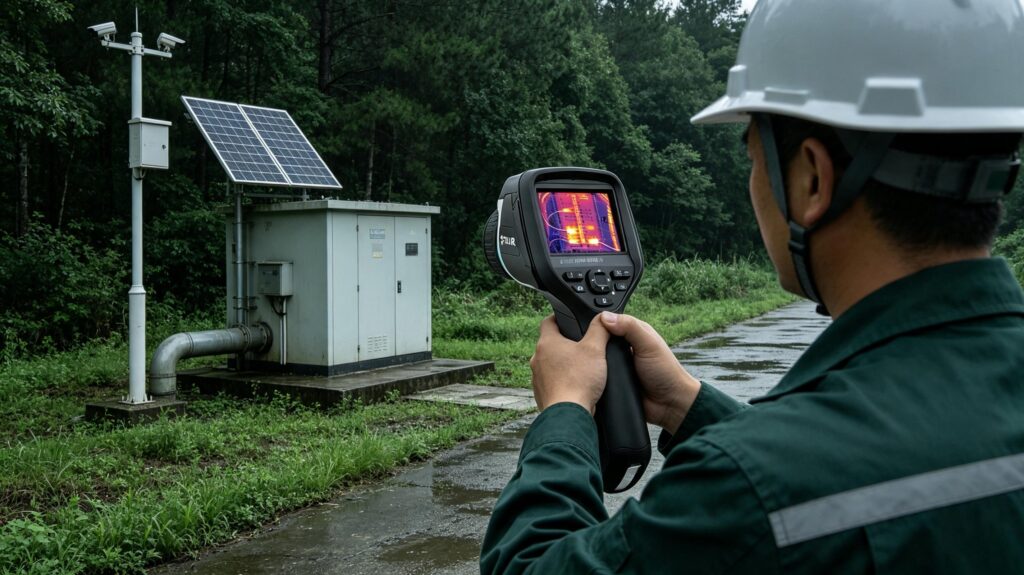
It is suitable for patrolling remote wilderness areas, mining‑site boundaries, outdoor construction sites, river‑bank zones and mountain‑forest buffer zones. Field sites feature vast coverage and numerous surveillance blind spots, making manual night patrols difficult and high‑risk. Handheld thermal imaging cameras detect abnormal human activities around‑the‑clock, identifying behaviours such as unauthorised intrusion, unlawful loitering and stealth border‑crossing. They fill gaps in field security and enable regular safety management for remote sites.
6. Field‑work and Outdoor Project Safety Protection
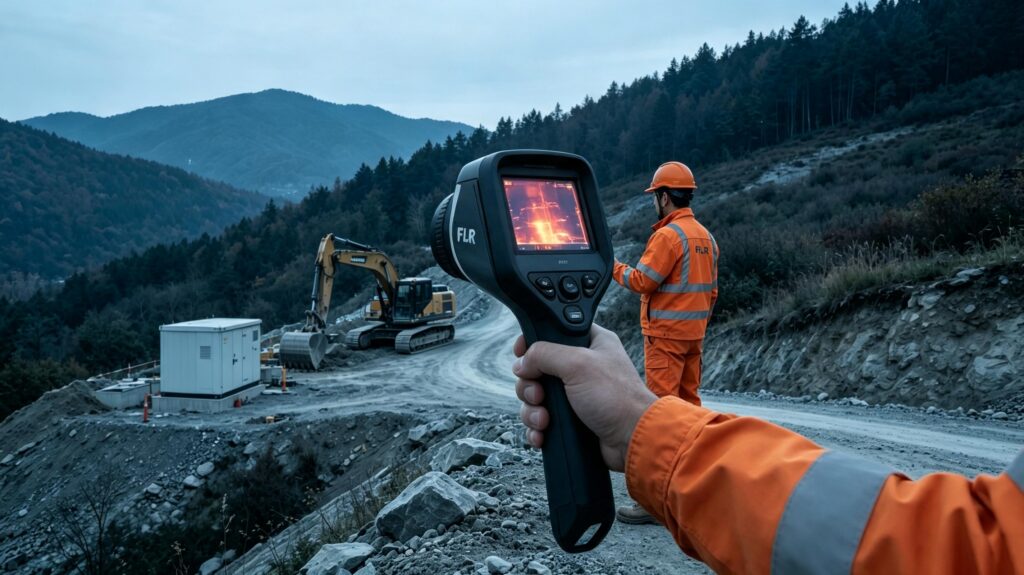
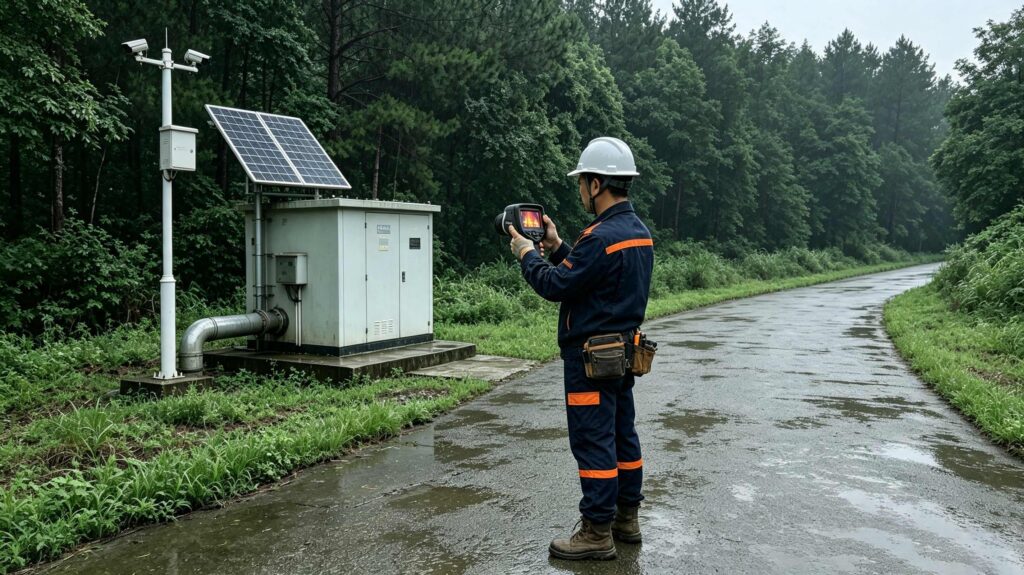
It applies to field‑operation scenarios including outdoor power inspection, geological exploration, agriculture‑forestry management and outdoor‑equipment maintenance. Field‑work features complex environments, scattered equipment and difficult‑to‑conduct inspections. Thermal imaging assists in detecting abnormal temperature rises of field equipment and environmental high‑temperature hazards. Meanwhile, it monitors real‑time living‑target risks around work zones, ensuring safe and orderly execution of field‑project construction and outdoor‑maintenance operations.
IV. Inspection Data Retention for Standardized Field‑safety Management
Designed for high‑frequency mobile field inspections, the device is simple‑to‑operate and highly portable. It supports thermal‑image saving, hazard‑point recording and data retention. Inspection records can be fully archived for hazard traceability, helping management authorities build standardized and digital field‑safety operation and maintenance systems.
Conclusion
Handheld infrared thermal imaging cameras accurately capture hidden field hazards invisible to the naked eye. Boasting all‑weather imaging, precise temperature measurement and strong environmental adaptability, they deliver comprehensive capabilities for outdoor safety, ecological monitoring, emergency search and rescue, wildfire defence and field‑site operation‑maintenance. They provide reliable intelligent support for the safety of field personnel, facilities and ecological resources.