
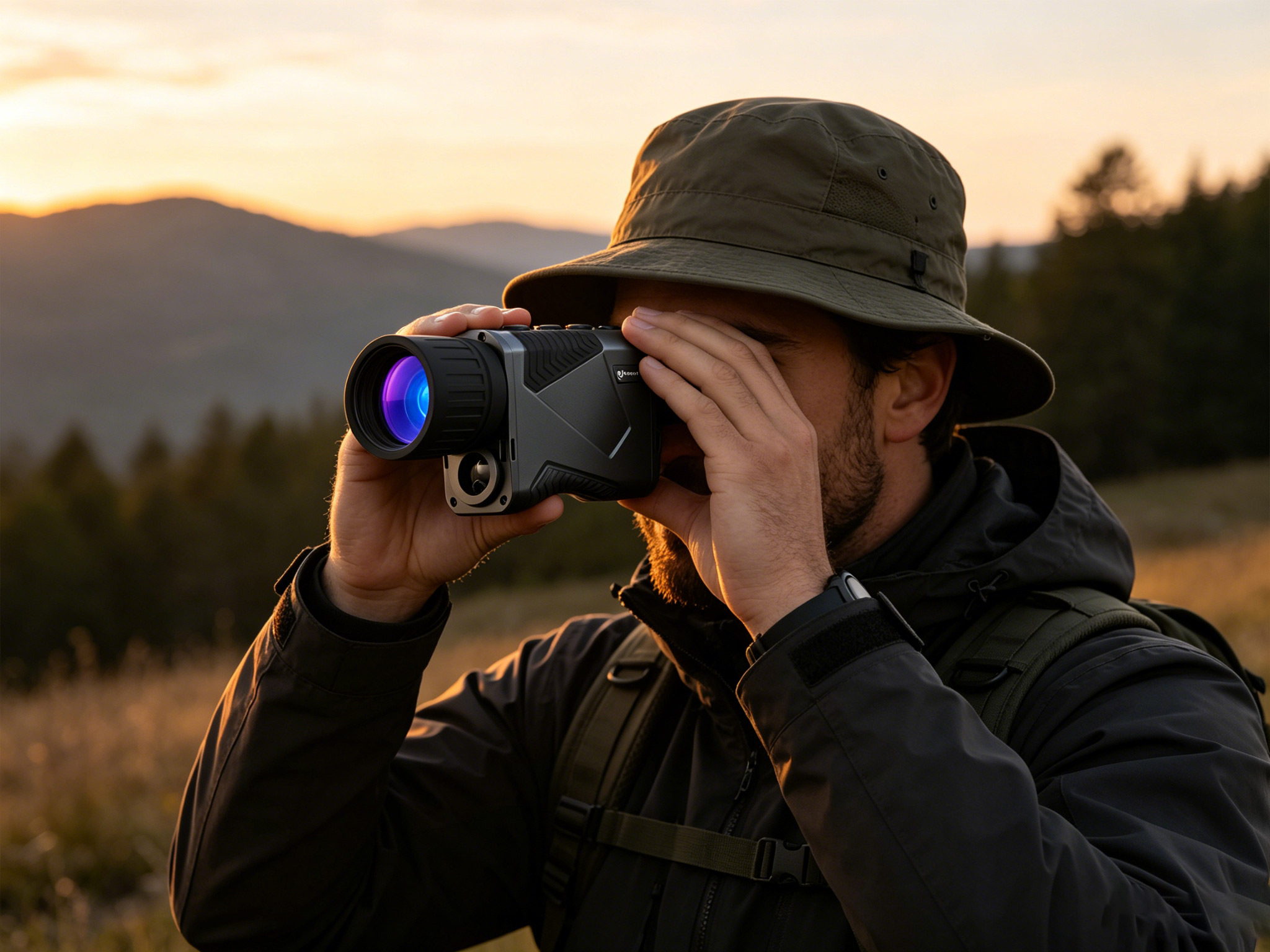
Spotting wildlife at dusk or in dense brush is one of the hardest parts of hunting and field observation. Animals blend into the terrain, freeze when threatened, and disappear into darkness after sunset. Thermal imaging solves this by revealing the heat every animal emits — no matter how well it’s camouflaged.
Why Thermal Imaging Works for Hunting
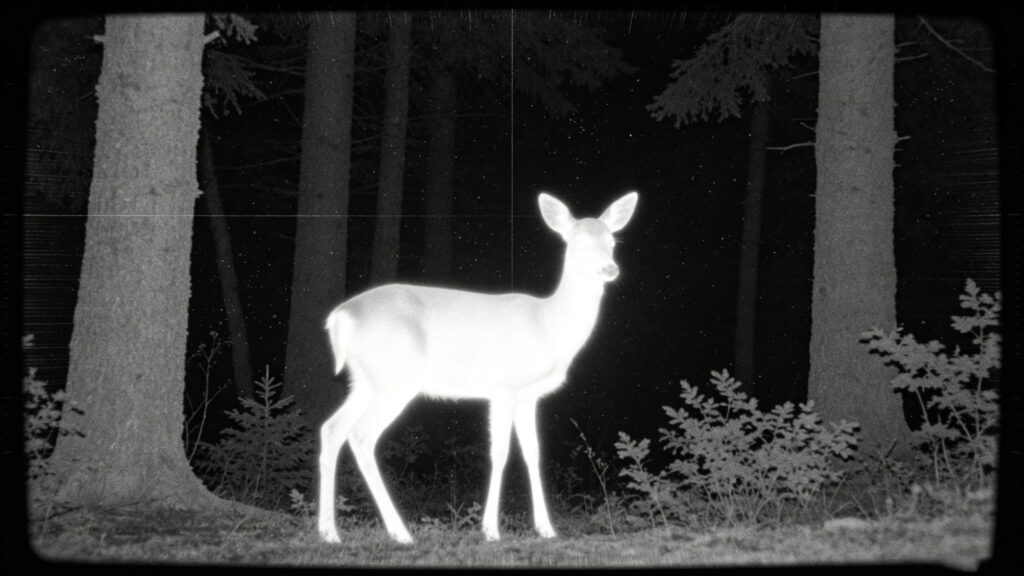
Thermal cameras detect infrared heat radiation, not visible light. That means they work in complete darkness, through brush gaps, and against animals that are perfectly still or hidden. A deer bedded down at 200 meters, a boar in thick cover, or a fox crossing a field at midnight — each shows up as a clear heat signature against the cooler background.
Thermal Imaging vs. Night Vision: What’s the Difference
- Night vision amplifies existing light (moonlight, starlight). If there’s no light, it struggles.
- Thermal imaging needs no light at all — it reads heat, so it works in pitch-black conditions, through smoke, fog, and light vegetation.
For hunting and wildlife observation, thermal is often the stronger choice because it detects animals you can’t see at all, rather than just brightening what’s already there.
Key Applications
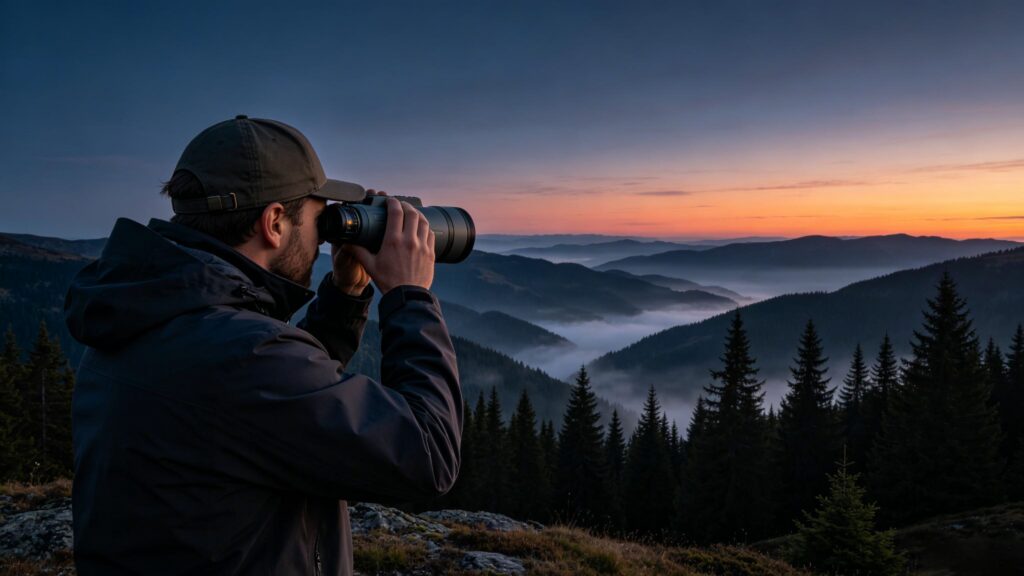
- Night hunting & game spotting — locate and track animals before they know you’re there
- Wildlife observation & research — monitor animals without disturbing them, day or night
- Outdoor search — find lost people or animals in the field and dark
- Night awareness & security — scan property, livestock, and perimeters after dark
- Long-range field use — with thermal scopes and monoculars for stationary or handheld observation
What to Consider When Choosing a Thermal Monocular or Scope
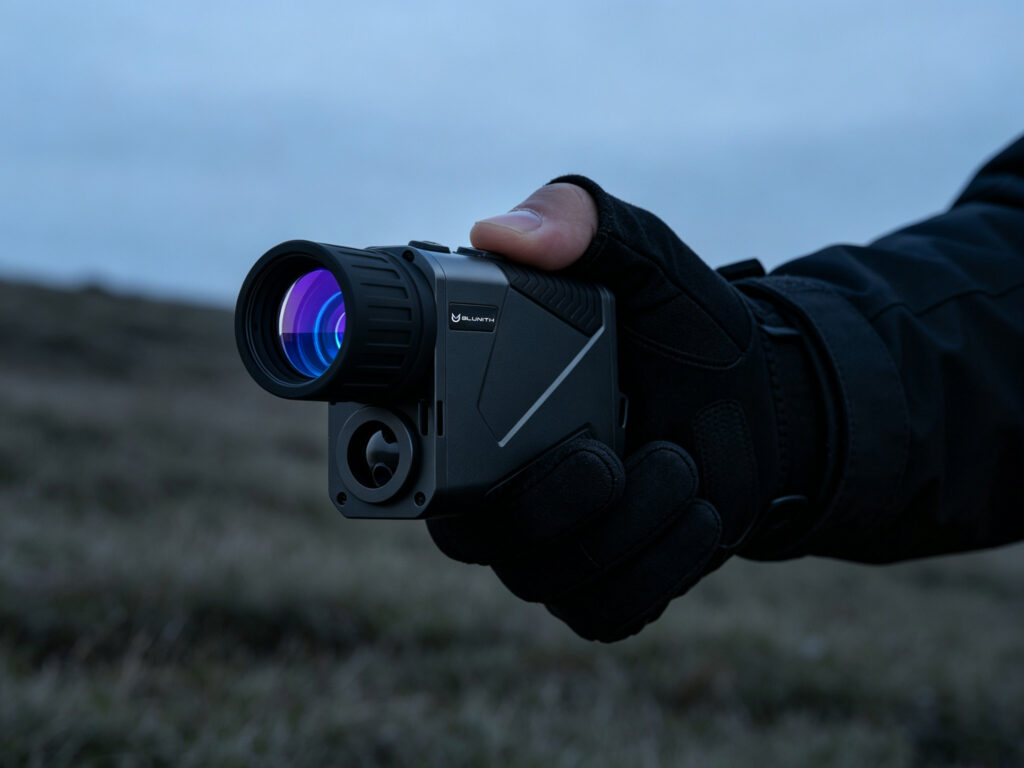
- Detection range — how far the device can pick up an animal-sized heat source
- Sensor resolution — higher resolution means a clearer, more recognizable image
- Magnification — fixed base zoom for monoculars, adjustable for scopes
- Battery life — critical for multi-hour hunts or overnight observation
- Durability — waterproof, shock-resistant build for rough outdoor conditions
FAQ
Can thermal imaging see through trees and brush? Not through solid objects, but it detects heat through gaps in vegetation — often enough to spot animals hidden in cover.
Is thermal or night vision better for hunting? Thermal works in total darkness and reveals hidden animals; night vision offers a more familiar image but needs some light. Many users carry both.
Do I need a thermal scope or a monocular? A scope suits shooting at distance; a monocular is lighter and better for scouting and observation. It depends on your style.
About PACECAT: Handheld thermal imaging monoculars and scopes designed for hunting, wildlife observation, outdoor search, and long-range field use.