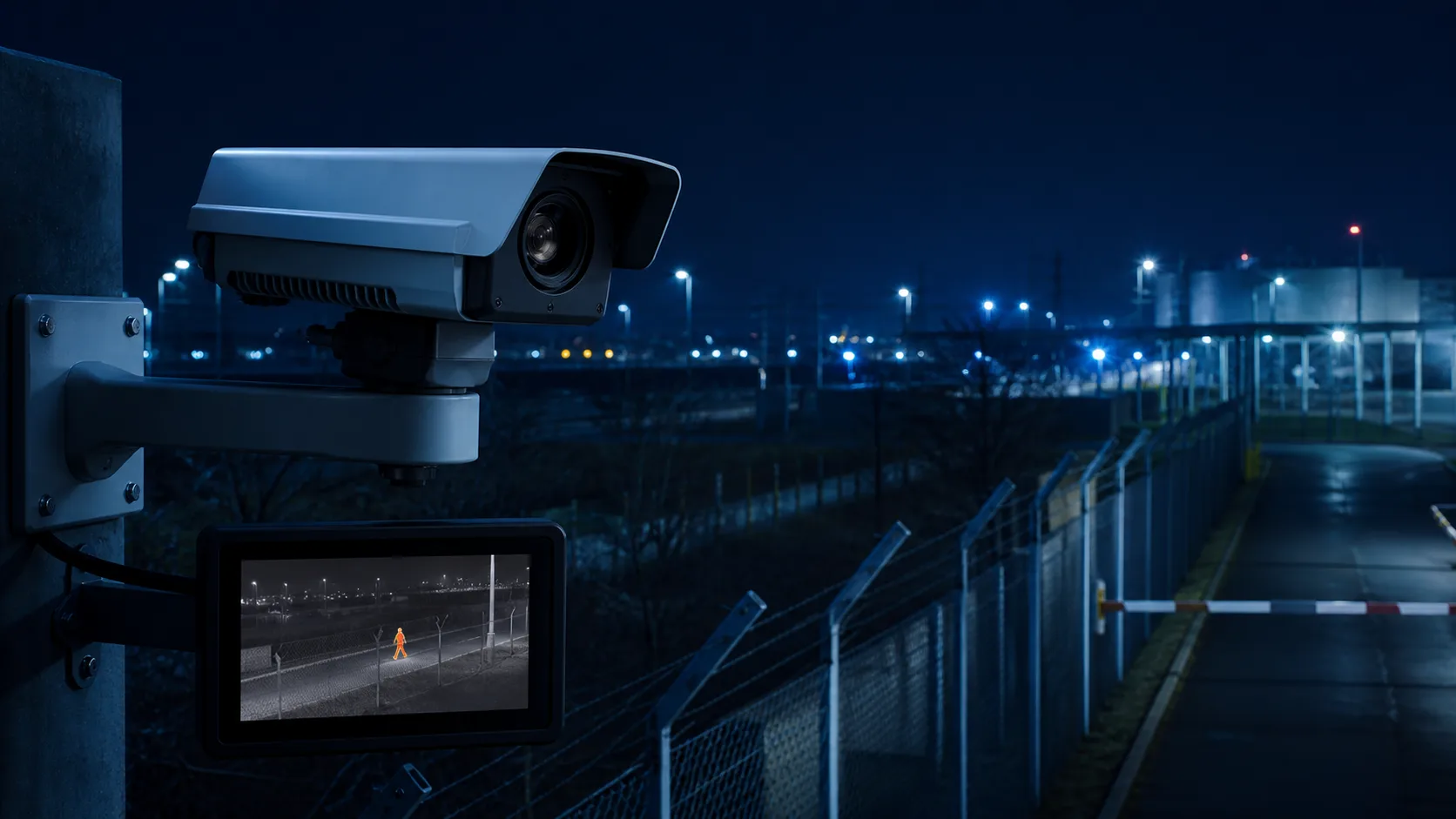
Fixed thermal security camera monitoring an industrial perimeter at night

Perimeter awareness

Security & Surveillance

Explore thermal security and surveillance applications for perimeter protection, border observation, critical infrastructure, and low-light monitoring.

Application overview

How thermal imaging supports Security & Surveillance

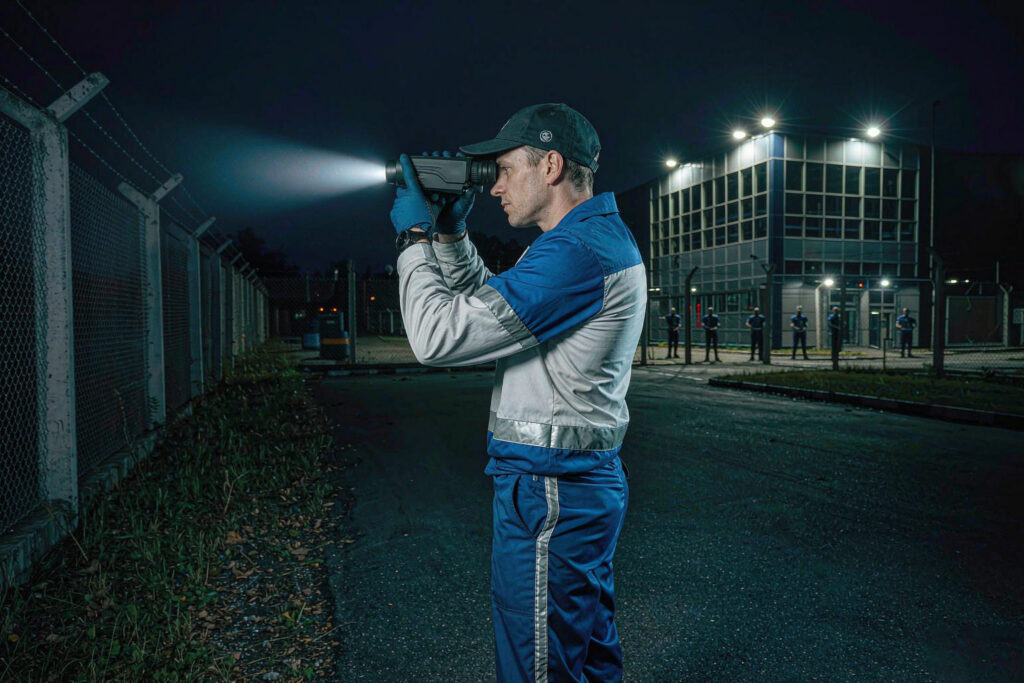
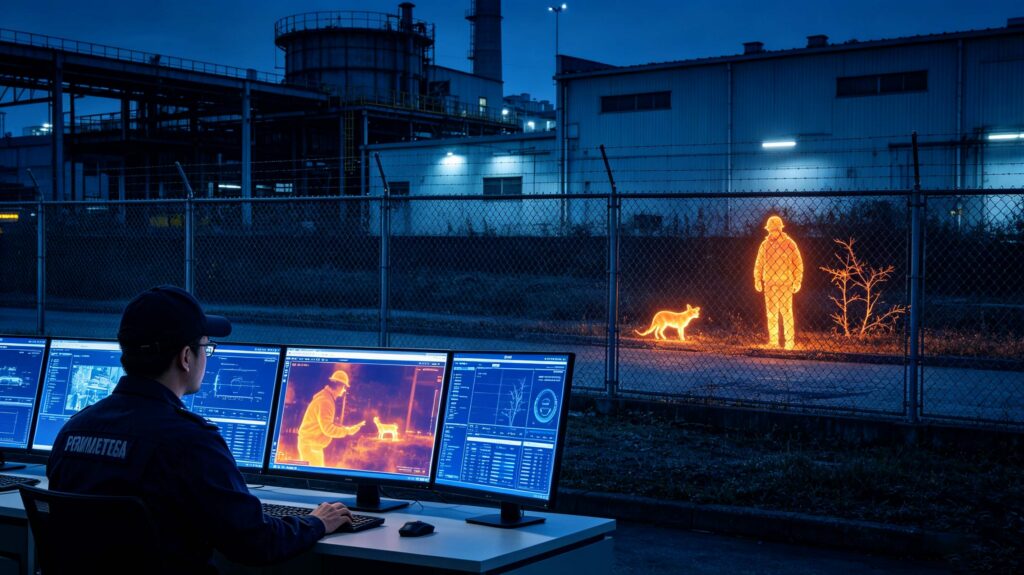
Thermal security systems detect heat contrast rather than depending on visible illumination. This supports continuous observation across darkness, variable lighting, glare, and visually complex outdoor scenes where conventional cameras may need additional lighting.

Typical use cases

Where the technology is applied

  • Industrial perimeter, gate, fence line, and restricted-area monitoring
  • Critical infrastructure, utilities, ports, and remote site protection
  • Long-range border, coastal, and wide-area observation
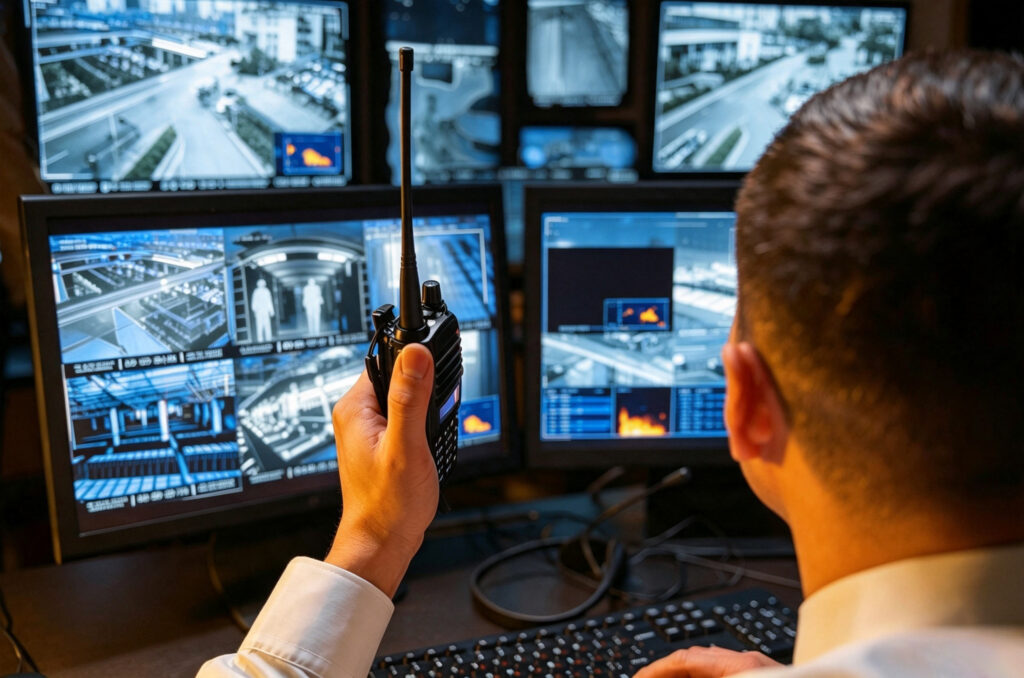
  • Thermal-visible camera systems for detection and operator verification

System selection

Key technical factors

  1. 01Detection, recognition, and identification range
  2. 02Lens focal length and field of view
  3. 03Thermal sensitivity and scene contrast
  4. 04Video interface and analytics compatibility
  5. 05Weather resistance and continuous operation

Frequently asked questions

Questions about Security & Surveillance

Does thermal surveillance work in complete darkness?

Yes. Thermal cameras form images from infrared radiation and do not require visible-light illumination, although range and image detail still depend on the sensor, lens, atmosphere, and target contrast.

How is a lens selected for perimeter monitoring?

Lens selection starts with target size, required detection or identification range, horizontal field of view, installation height, and the sensor format and pixel pitch of the thermal module.

Can thermal and visible cameras be combined?

Yes. A dual-sensor system can use thermal imaging for detection and a visible camera for scene detail or operator verification, with mechanical and software alignment designed around the application.

Build the right thermal system

Discuss your application with Blunith.

Share the target, distance, environment, product format, technical requirements, and expected volume.

Start an Engineering Inquiry