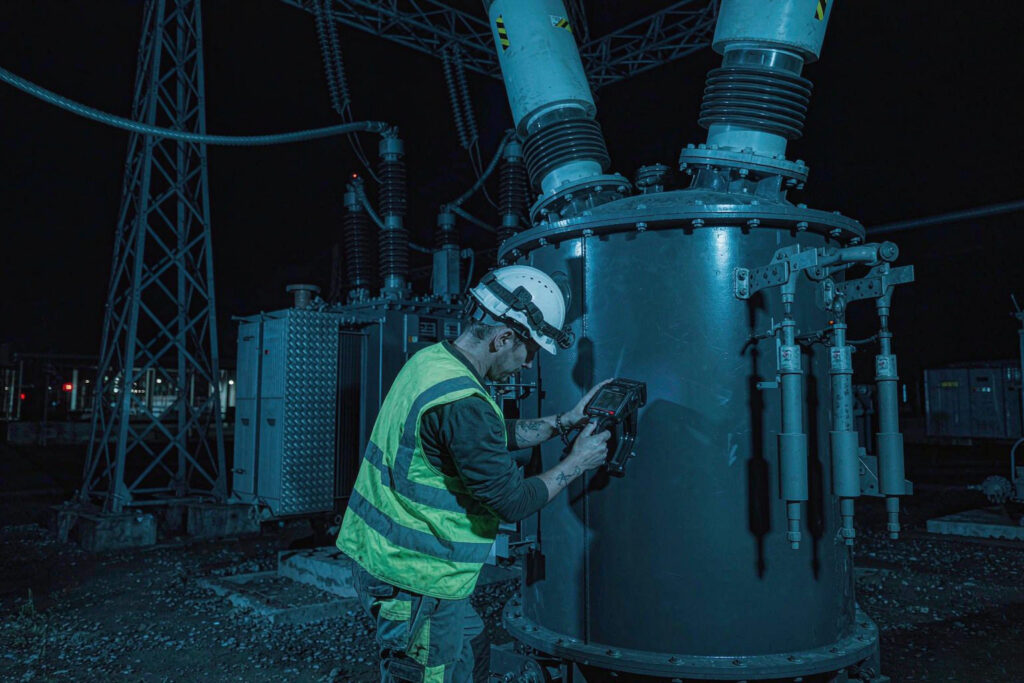
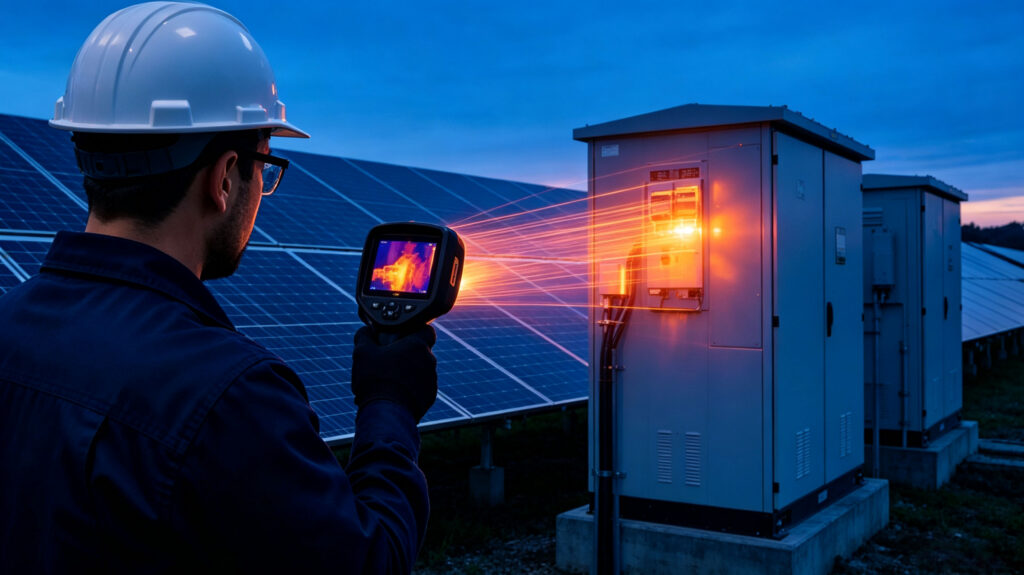
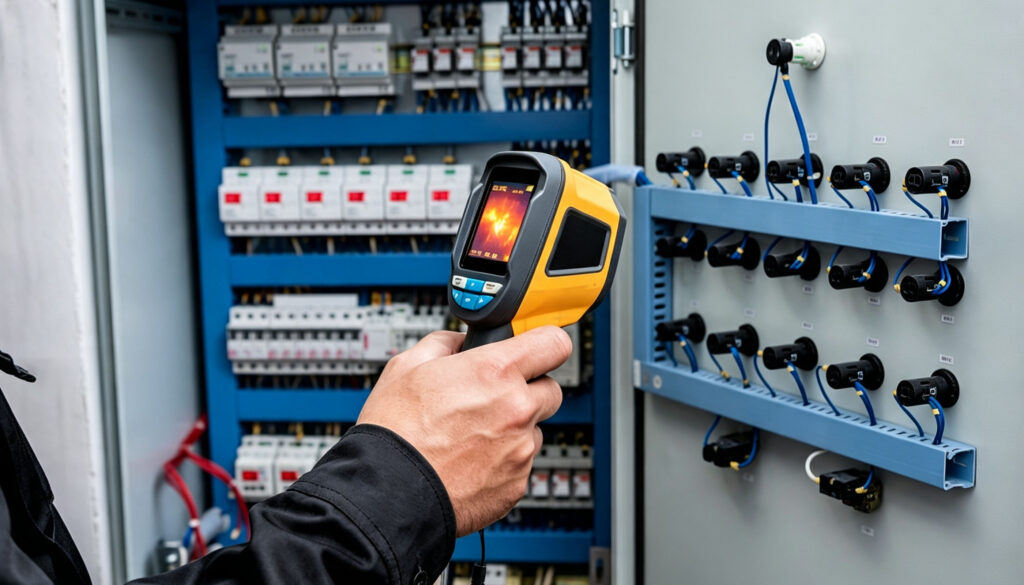
Engineer using a thermal imaging camera to inspect industrial equipment

Condition monitoring

Industrial Inspection & Condition Monitoring

Explore industrial thermal imaging for electrical inspection, mechanical maintenance, process monitoring, energy facilities, and early fault detection.

Application overview

How thermal imaging supports Industrial Inspection

Industrial thermal imaging makes temperature differences visible without interrupting normal operation. Maintenance and engineering teams can use thermal cameras, modules, and fixed monitoring systems to locate abnormal heat patterns, compare equipment condition, and prioritize closer inspection.

Typical use cases

Where the technology is applied

  • Electrical panels, switchgear, connectors, and power distribution equipment
  • Motors, bearings, pumps, production machinery, and mechanical systems
  • Solar, utility, energy, and unattended facility inspection
  • Continuous temperature monitoring and predictive maintenance workflows

System selection

Key technical factors

  1. 01Radiometric measurement
  2. 02Thermal sensitivity (NETD)
  3. 03Resolution and target size
  4. 04Lens and field of view
  5. 05Environmental protection and integration interface

Frequently asked questions

Questions about Industrial Inspection

What can industrial thermal imaging detect?

It can reveal abnormal temperature patterns associated with loose electrical connections, overloaded components, friction, insulation problems, blocked flow, or uneven process conditions. A qualified technician should confirm the root cause.

Is radiometric thermal imaging required for inspection?

Radiometric imaging is useful when the workflow requires temperature values and repeatable comparison. Observation-only tasks may focus more on image clarity, sensitivity, field of view, and detection range.

Can a thermal module be integrated into a fixed monitoring system?

Yes. The required module, lens, interface, enclosure, calibration, and software depend on target size, distance, temperature range, installation environment, and alarm workflow.

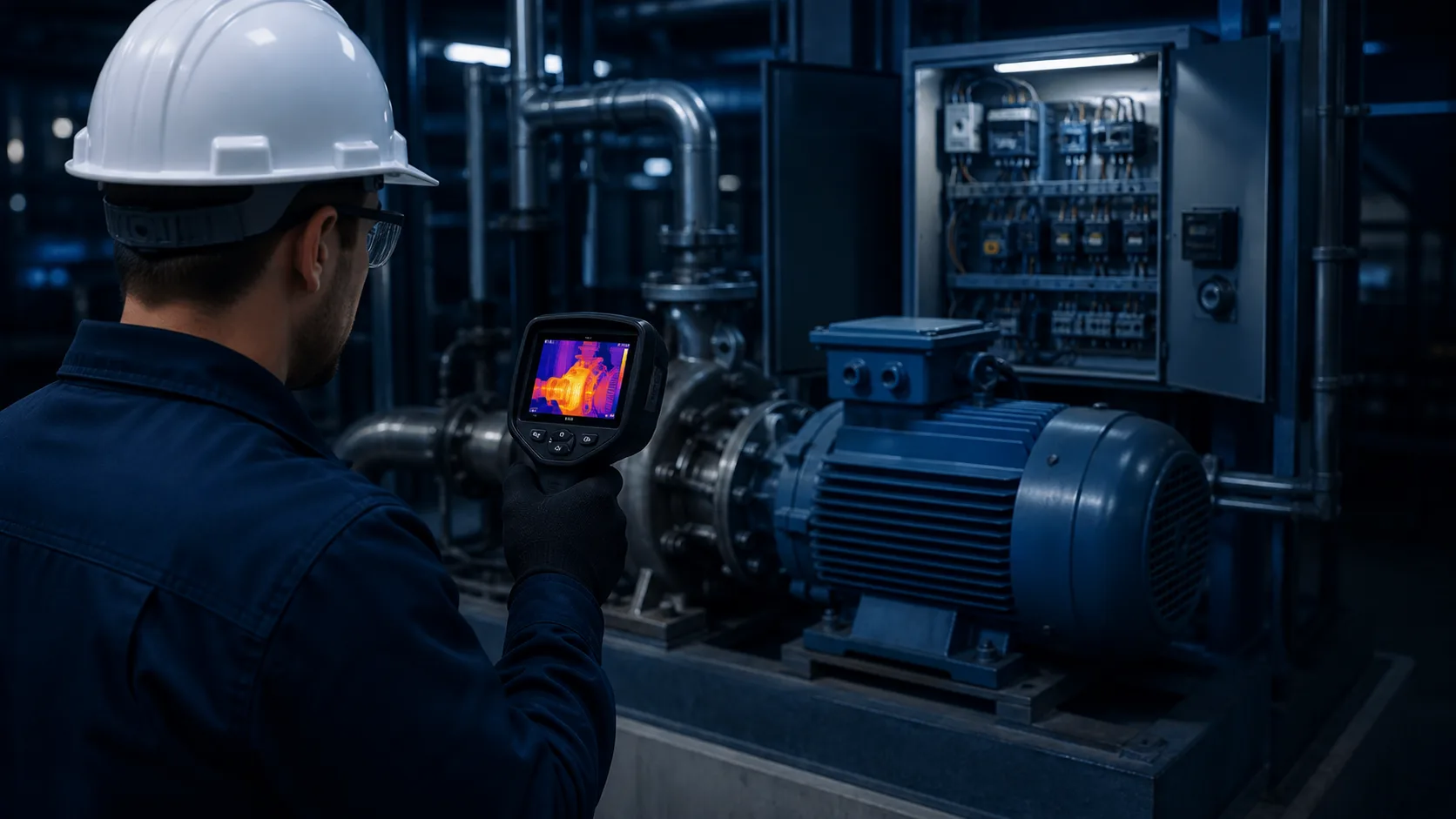
Build the right thermal system

Discuss your application with Blunith.

Share the target, distance, environment, product format, technical requirements, and expected volume.

Start an Engineering Inquiry