
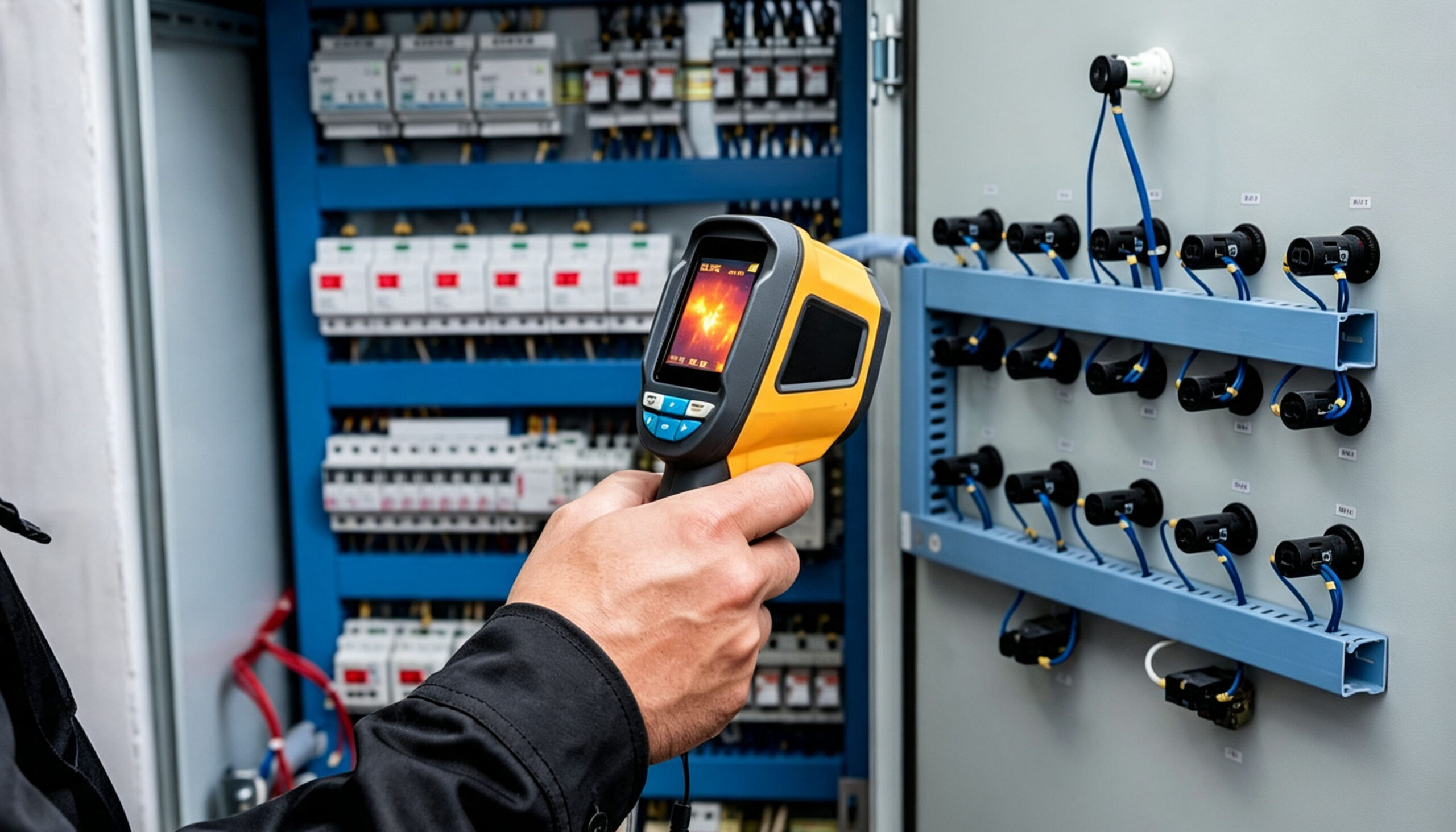
In industrial operation‑maintenance, equipment servicing and security patrols, numerous safety hazards cannot be directly observed by the naked eye. Inspections relying on manual visual checks and conventional spot thermometers tend to overlook concealed heat‑related issues, which are often detected only after failures occur.
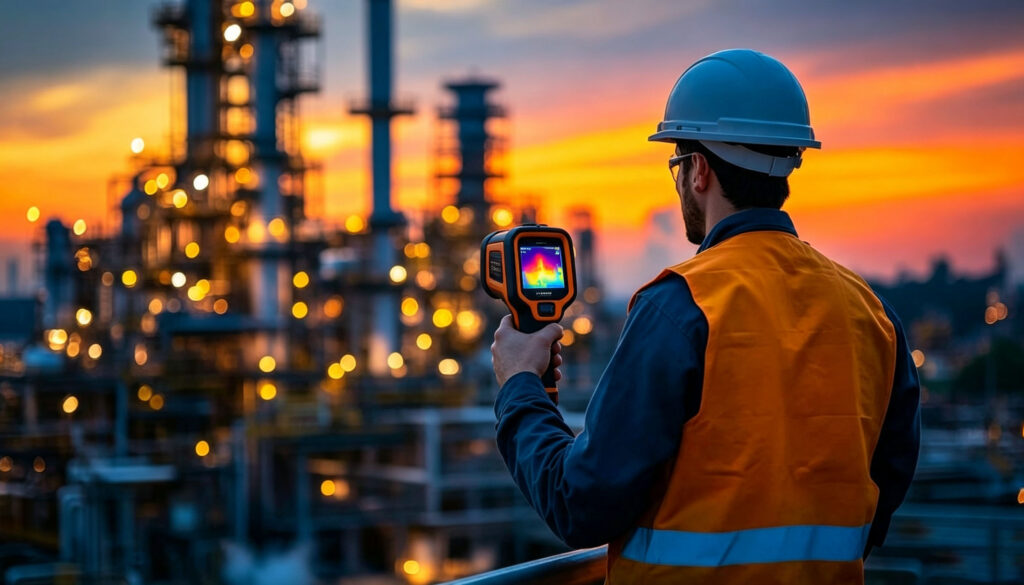
The thermal imager is a portable non‑contact testing tool. It generates thermal images by capturing objects’ infrared thermal radiation. Unaffected by lighting or weather conditions, it enables inspection without equipment shutdown and quickly locates various hidden temperature‑related risks. It has become a practical tool for on‑site safety inspections across multiple industries.
I. Core Advantages Over Traditional Inspection
Conventional inspection is heavily limited by nighttime, shadows, fog and dust. When testing live‑powered equipment and high‑temperature installations, on‑site personnel also face safety risks from close‑range measurements.
Thermal imagers function reliably in zero‑light, foggy and dusty conditions to perform temperature measurement and imaging from a distance. They avoid hazards of high‑risk on‑site operations and eliminate visual blind spots, enabling safer and more efficient hazard identification.
II. Visualized Temperature for Early Risk Detection
Most equipment failures and safety incidents are preceded by local temperature anomalies. Conventional spot thermometers only take single‑point readings and can hardly spot partial overheating.
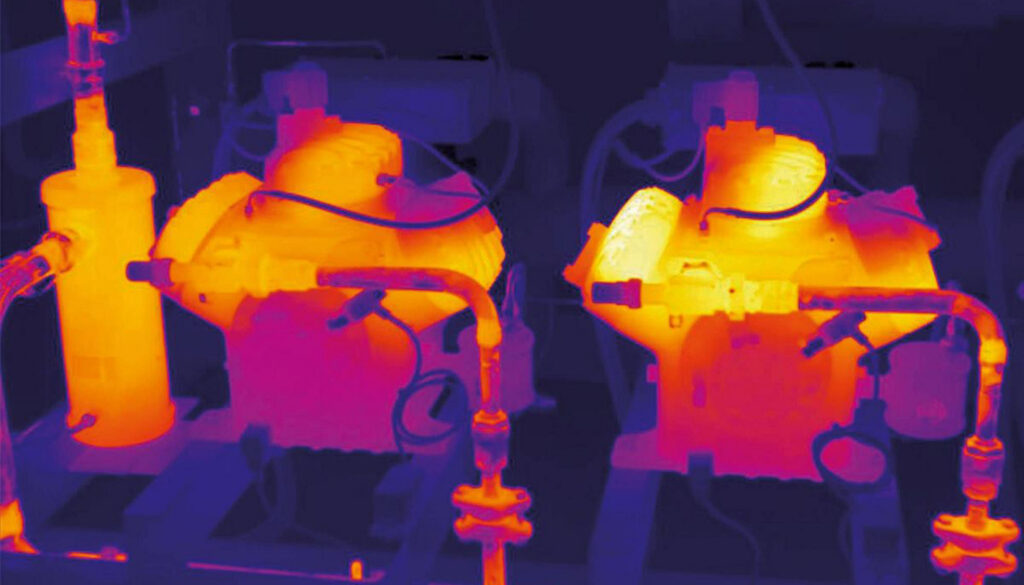
Thermal imaging directly presents full temperature distribution across targets, rapidly identifying issues such as poor electrical contact, equipment aging, overload and internal heat accumulation. Inspections and rectification can be completed before failures or accidents break out, shifting safety management from post‑incident response to proactive prevention.
III. Multi‑industry Compatibility for Full‑scenario Safety Inspection
Handheld infrared thermal imagers require no cabling and are ready‑to‑use out of the box, widely applicable to various safety‑check scenarios.
1. Electrical Power Safety Inspection
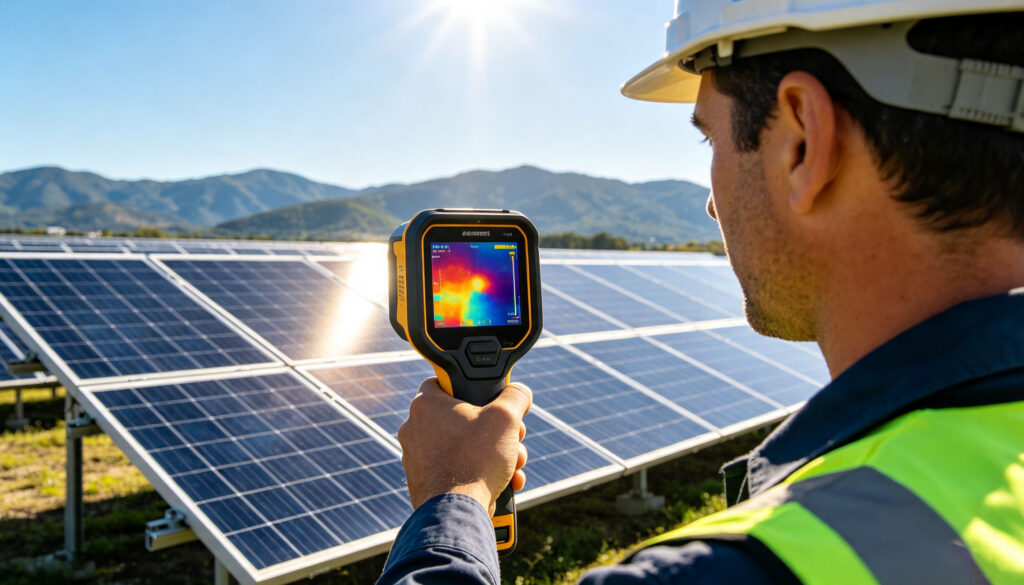
It applies to inspections of substations, power distribution rooms, distribution boxes, cable joints, transformers and outdoor power poles. Long‑term operation of electrical equipment may trigger hidden problems such as joint oxidation, poor contact and insulation aging. Handheld thermal imagers enable non‑contact live‑power inspection from a distance to capture abnormal temperature rises. They detect overheating hazards in advance to prevent short circuits, equipment burnout and electrical fires, ensuring stable operation of power assets.
2. Industrial Production and Mechanical Equipment Inspection
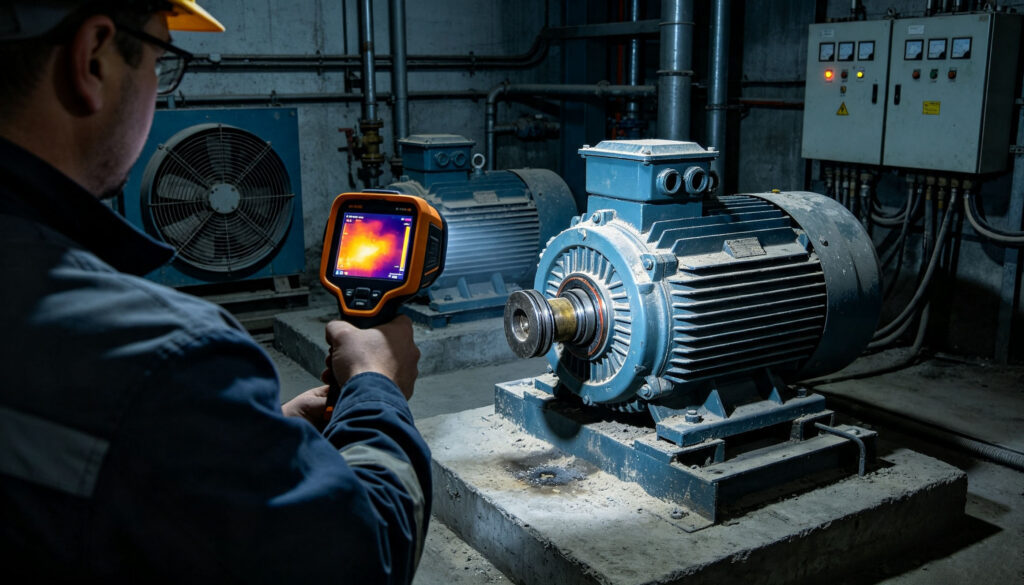
Suitable for manufacturing workshops, mines and outdoor construction sites. It conducts inspections on motors, bearings, fans, air compressors and temporary power‑distribution equipment to identify heat‑related faults caused by component wear, degraded heat dissipation and abnormal loads.
Mines and construction sites feature heavy dust and poor lighting, where conventional inspections are prone to missed defects. Thermal imagers quickly capture early warning signs of failures, reducing equipment downtime and production‑related accidents.
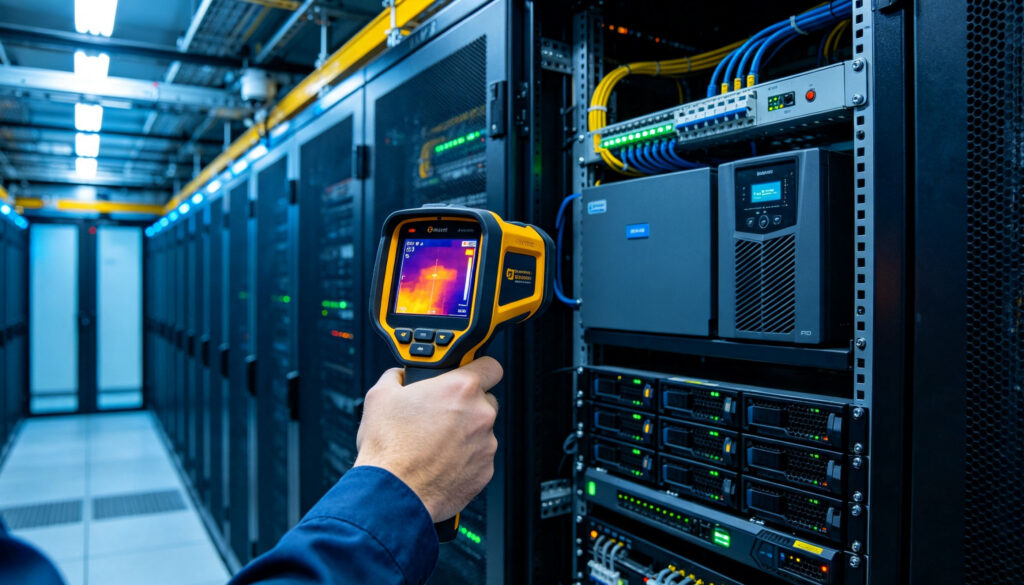
4. Inspection for Data Centers and Building Fire‑safety Monitoring
Applicable to IDC computer rooms, weak‑current equipment rooms, office buildings and residential communities. It inspects servers, switches and UPS units to identify poor heat dissipation and local overheating, preventing equipment downtime. In addition, it checks electrical shafts, ceiling cavities and interior wall sections to detect concealed hazards such as heat buildup and smoldering inside concealed wiring, making up for the shortcomings of manual visual inspections.
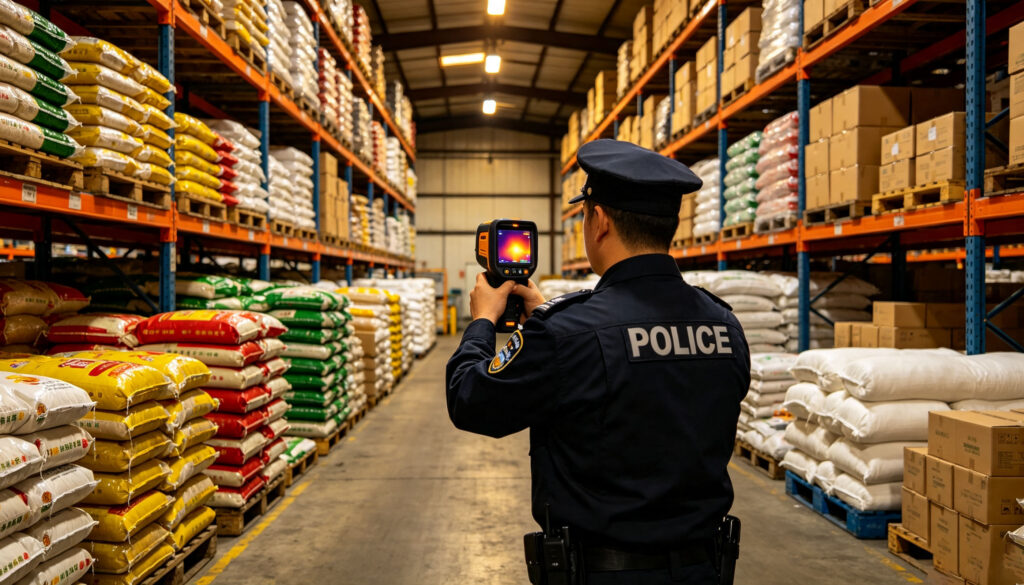
5. Fire‑safety Inspection for Warehoused Materials
Designed for warehouses and storage yards storing flammable goods such as grain‑oil products, paper goods and textile raw materials. Human eyes can only observe the surface of stored materials and hardly detect smoldering or heat accumulation inside material stacks. Handheld thermal imagers perform large‑area scanning of stacks to pinpoint internal hot‑spots. This enables early response to spontaneous‑combustion risks and safeguards stored warehouse goods.
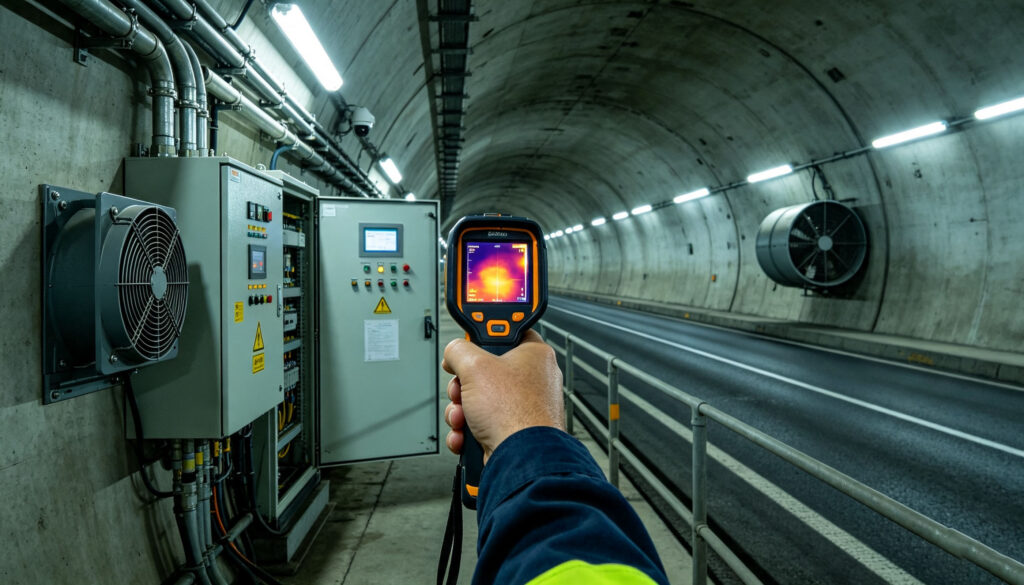
6. Safety Inspection for Transportation Infrastructure
Serving electromechanical equipment of subways, high‑speed railway stations, tunnels and bridges. Critical transportation assets are difficult to shut down for maintenance. Thermal imagers deliver on‑line non‑contact temperature measurement to identify abnormal temperature rises in power distribution units, fans and other equipment. They ensure reliable operation of facilities without disrupting normal service.
7. Safety Inspection for Public‑service Facilities
Applicable to crowded venues such as schools, hospitals and stadiums. Such sites impose strict requirements for electrical safety and fire protection. Facility‑management staff can deploy handheld thermal imagers for regular inspections on power distribution rooms, wiring, air‑conditioning units and kitchen electromechanical equipment. This eliminates potential risks caused by temperature anomalies and safeguards people and assets within public areas.
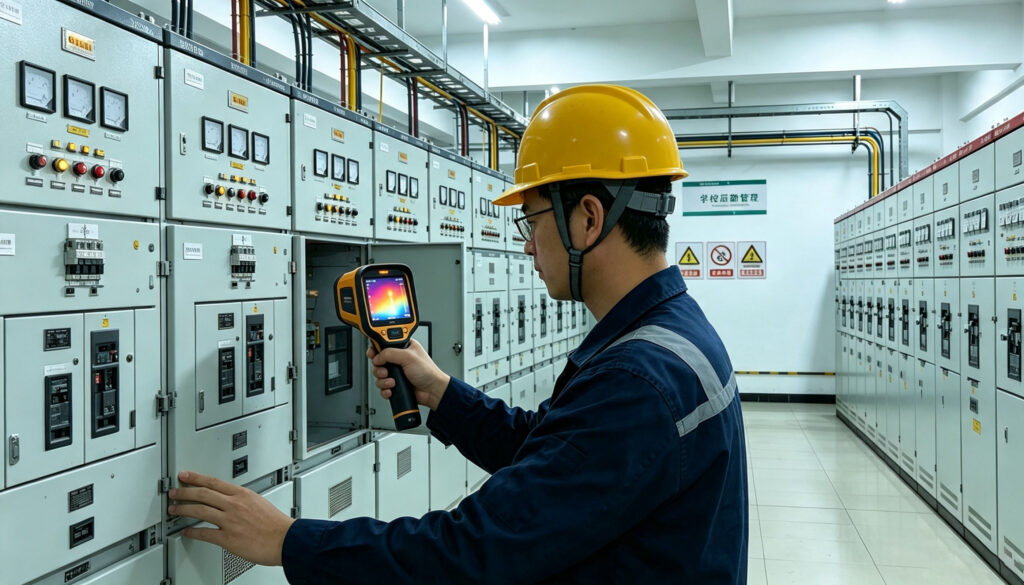
To sum up, handheld infrared thermal imagers cover a wide range of industries. Featuring visualized temperature measurement, non‑contact detection and all‑weather operation, they compensate for the limitations of naked‑eye observation and single‑point temperature testing. They help enterprises standardize inspection workflows and eliminate risks at the embryonic stage.
IV. Inspection Data Retention for Streamlined Safety Management
Lightweight and portable, handheld units are well‑suited for frequent on‑site inspections. The devices support thermal image storage and hazard‑location recording, preserving complete inspection records for review and archiving. This assists enterprises in establishing standardized safety operation‑maintenance procedures.
Conclusion
The core of safety inspection lies in early identification of invisible hazards. With all‑weather imaging, accurate temperature measurement and easy‑to‑carry usability, handheld infrared thermal imagers serve numerous sectors including power, industry, chemical engineering, new energy, transportation, warehousing, public security and border supervision. They deliver reliable support for the safety of equipment, production sites, premises and personnel.