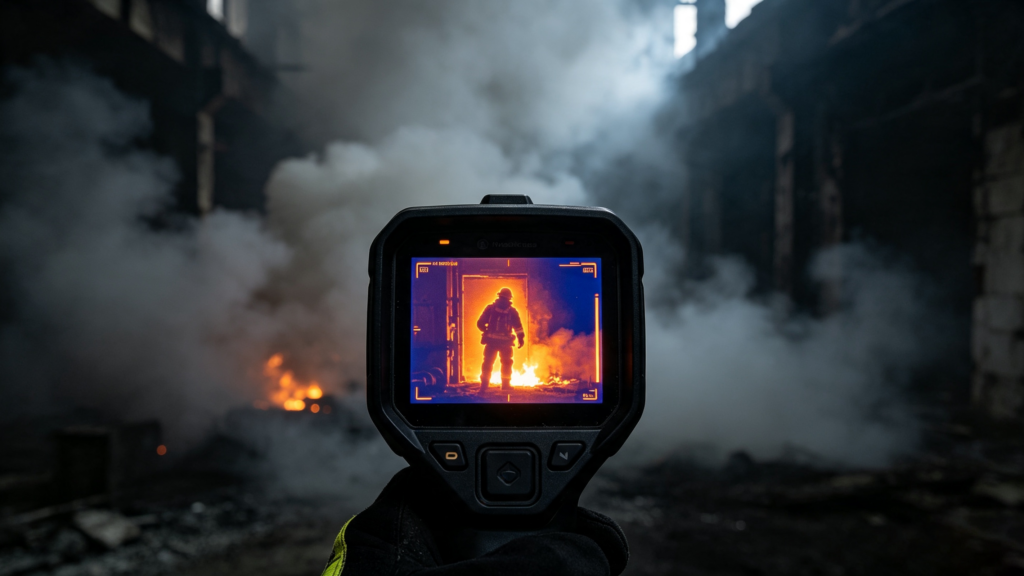
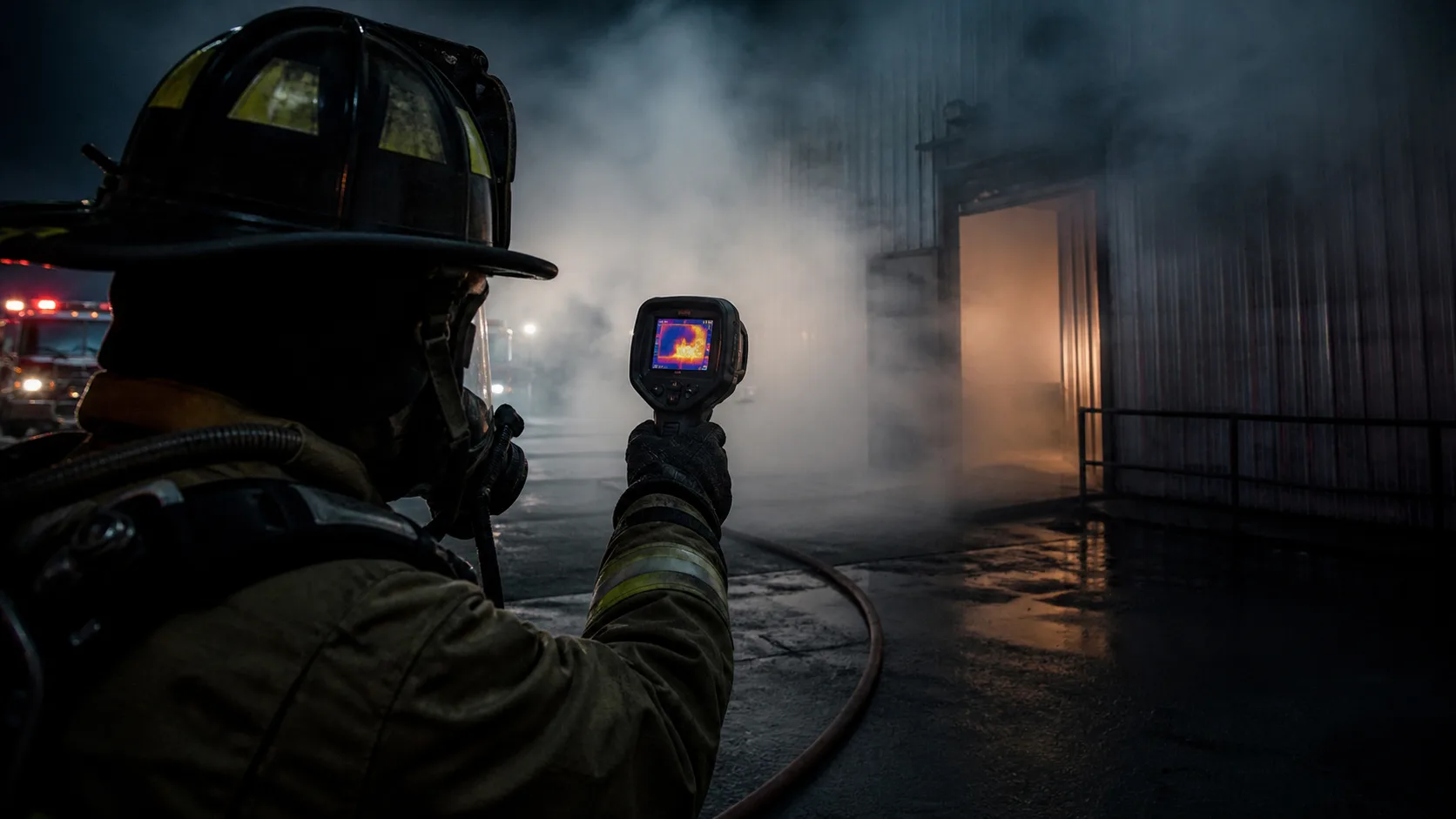
Firefighter using a handheld thermal imaging camera in smoke

Emergency response

Firefighting & Public Safety

Learn how thermal imaging supports firefighting, search and rescue, hotspot detection, emergency response, and public safety operations.

Application overview

How thermal imaging supports Firefighting & Public Safety

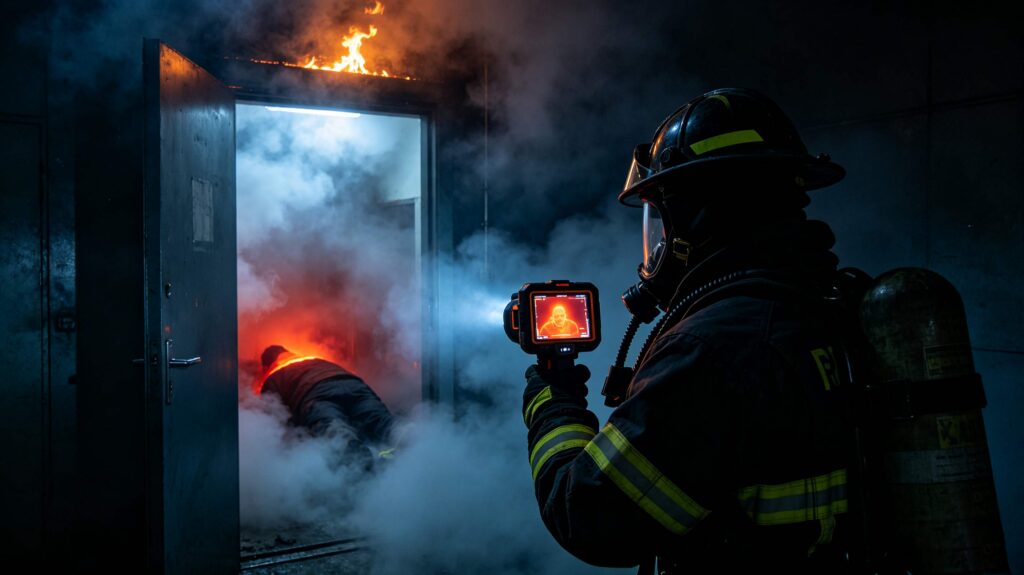
Thermal imaging can help trained responders interpret heat patterns when smoke, darkness, or difficult terrain limits normal vision. Firefighting and public safety systems must balance clear imaging with rugged construction, simple controls, dependable power, and application-specific operating requirements.

Typical use cases

Where the technology is applied

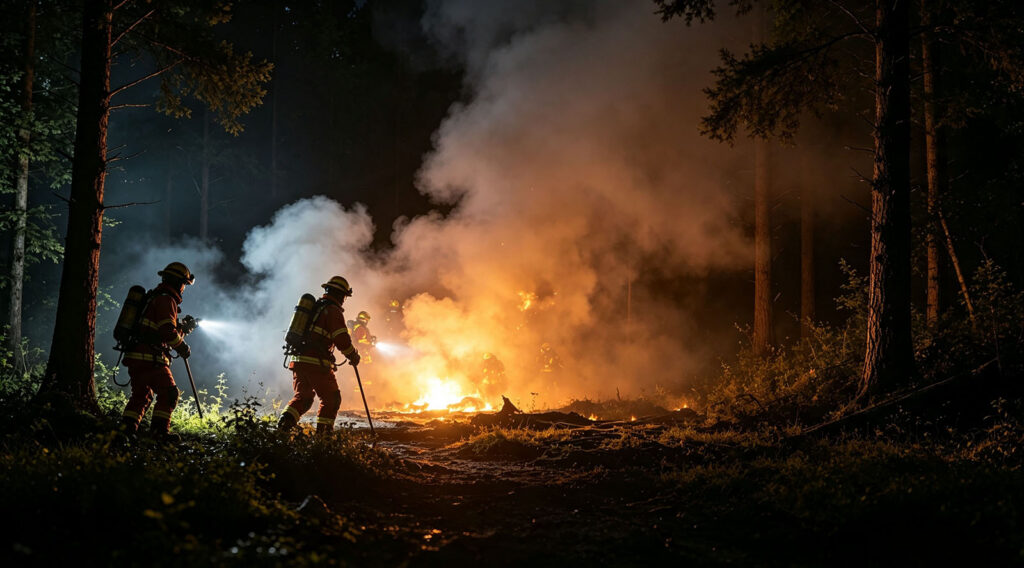
  • Locating heat sources and residual hotspots during fire response
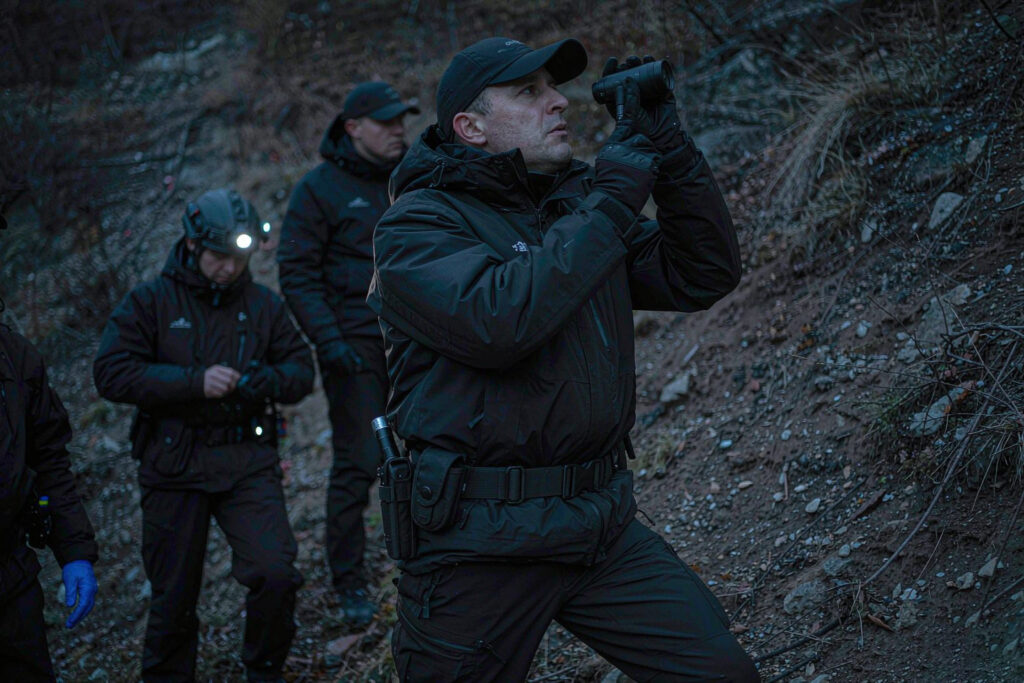
  • Search and rescue in smoke, darkness, and low-visibility environments
  • Scene assessment, navigation support, and post-incident inspection
  • Compact thermal integration for public safety and emergency equipment

System selection

Key technical factors

  1. 01Dynamic temperature range
  2. 02Image clarity through smoke and low contrast
  3. 03Ruggedness and ingress protection
  4. 04Glove-friendly controls and display
  5. 05Power, startup time, and system reliability

Frequently asked questions

Questions about Firefighting & Public Safety

Can thermal imaging see through smoke?

Long-wave infrared imaging can often provide useful heat contrast through smoke, but performance varies with smoke density, steam, water, hot surfaces, distance, and the selected imaging mode.

Is every thermal camera suitable for firefighting?

No. Firefighting equipment may require specific temperature range, ruggedness, controls, display behavior, certifications, and operating procedures that general observation products do not provide.

What matters most in a public safety thermal device?

The priorities normally include dependable image interpretation, suitable field of view, fast startup, simple operation, environmental protection, runtime, and validation for the intended response workflow.

Build the right thermal system

Discuss your application with Blunith.

Share the target, distance, environment, product format, technical requirements, and expected volume.

Start an Engineering Inquiry