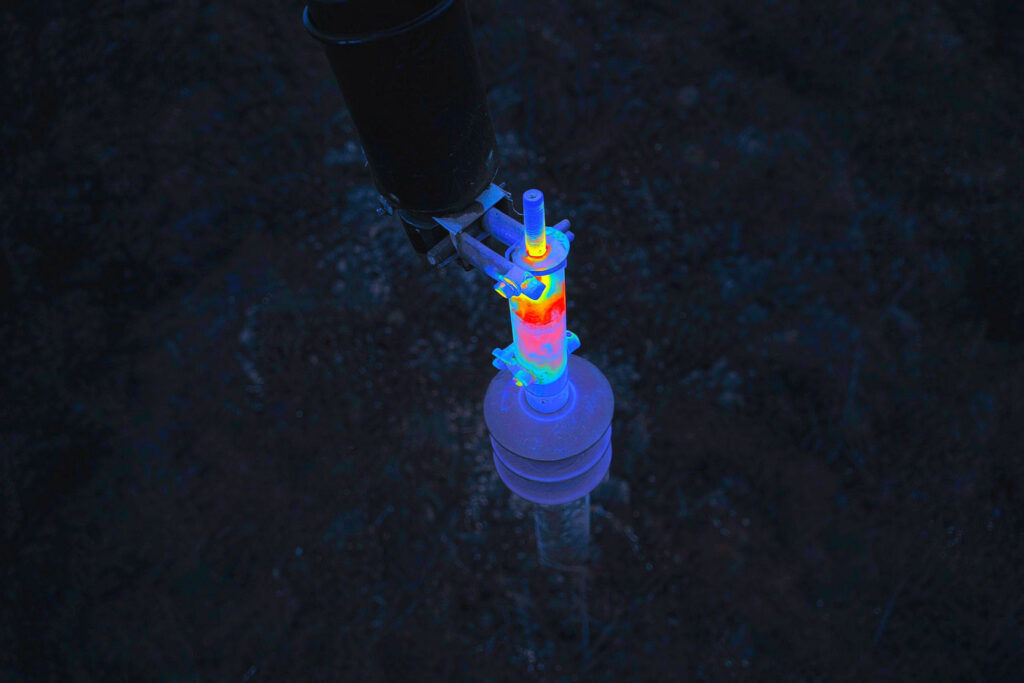
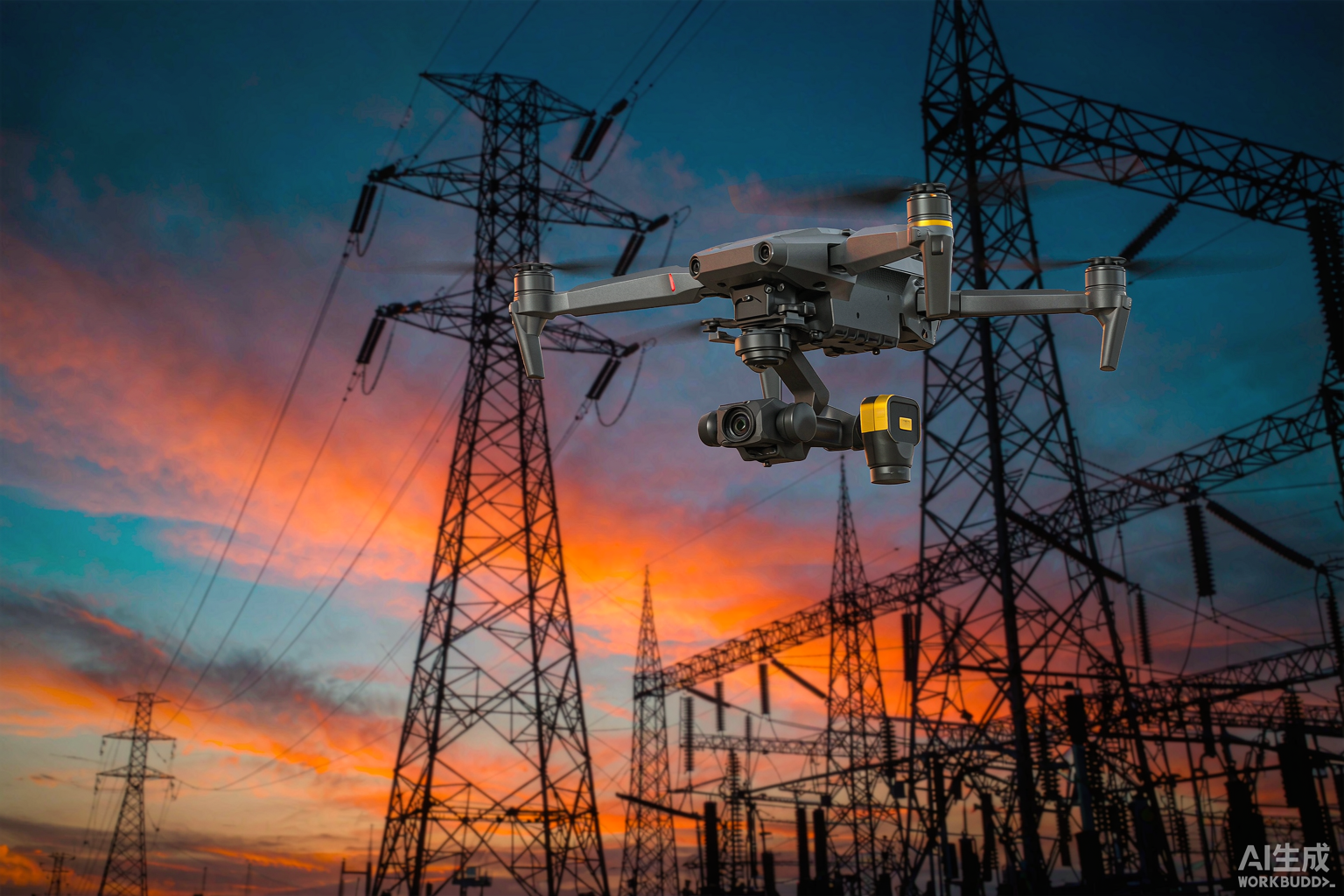
Robot dogs in substations, wheeled robots in chemical parks, and patrol AGVs in warehouses — autonomous inspection robots are entering service at scale. But a robot equipped with only a visible-light camera is, at its core, just a “walking camera.” What actually creates operations and maintenance value is thermal sensing capability. Building a thermal imaging solution for your robot comes down to three questions: which sensor core to choose, how to integrate it, and what to do with the data.
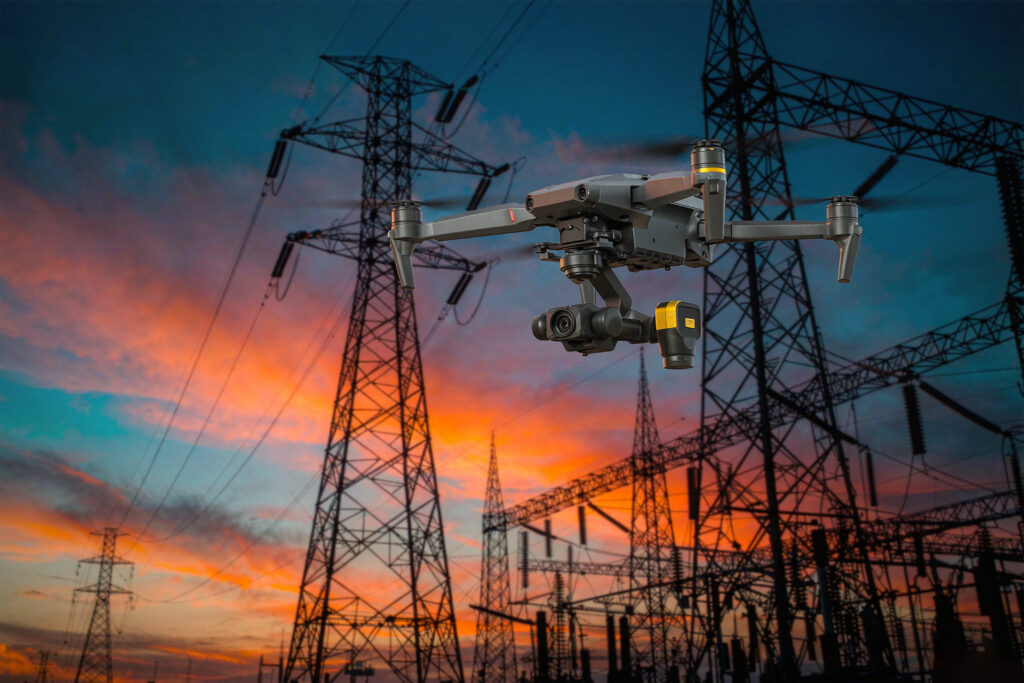
1. Define the task first, then pick the core
Different tasks make very different demands on the sensor core. Equipment temperature measurement (reading gauges, monitoring hot spots): requires measurement accuracy and stable temperature compensation — a 256–384 resolution is usually enough. Security patrol (finding people at night, perimeter inspection): prioritize high sensitivity (NETD ≤25mK) and a 50Hz frame rate so images don’t smear while moving. Search and rescue / reconnaissance: emphasizes long-range detection, which calls for a larger focal-length lens.
2. Three hard requirements at the integration level
Power consumption. The robot’s battery life is its operating radius. An ultra-low-power core at the <0.35W class keeps the infrared subsystem’s impact on endurance to a minimum.
Shutterless design. When a mechanical shutter recalibrates, the image freezes — for a moving robot, that means a gap in perception. Shutterless NUC calibration is a must-have for mobile platforms.
Embedded algorithms. 3DNR noise reduction, detail enhancement, and real-time temperature compensation are all handled inside the core. The robot’s main controller simply pulls image and temperature data — no precious compute spent, and no image-pipeline debugging required.
3. The data pipeline determines the final value
Installing thermal imaging is only the beginning; how the data flows is what makes or breaks the solution: the core outputs a temperature matrix or hot-spot coordinates → the robot performs an initial threshold judgment on board (edge computing) → abnormal results are sent back to the platform along with the thermal images → defect work orders are generated, with trends archived. In a mature solution, the robot only reports “anomaly + evidence” instead of dumping massive amounts of raw video to the backend — a choice that directly determines the cost of communication bandwidth and platform storage.
4. Typical deployment scenarios
- Substations: robot dogs cruise by checkpoints, completing infrared temperature measurement and meter recognition in one pass, and cover unattended blind spots with additional night patrols.
- Chemical parks: wheeled robots keep watch over flanges and valves in process areas for leaks and overheating, with infrared modules embedded in explosion-proof housings.
- Warehousing and logistics: AGVs double as security sentinels at night, using thermal imaging to detect human intrusion and trigger alarms.
- Emergency rescue: fire reconnaissance robots carry thermal imaging into heavy smoke and high-temperature zones, scouting ahead in place of human crews.
In closing
Competition in the robotics industry has evolved to the point where “being able to walk and see” is already the baseline, and “being able to sense temperature” is becoming the feature that separates the leaders from the rest. The real threshold in a thermal imaging solution, when it comes down to it, is the choice of that sensor core. Pick the right core, and half the integration is already done.