Against the backdrop of intelligent transformation in industrial security, equipment operation‑maintenance and public safety, the drawbacks of conventional manual inspection have become increasingly prominent. Low efficiency, numerous blind spots and high operational risks are inherent to manual inspection. It fails to accurately detect latent temperature rises of equipment and hidden on‑site hazards, and struggles to meet safety‑monitoring requirements for large‑scale, all‑weather and high‑risk scenarios.
Through the integrated application of three core technologies — infrared thermal imaging, UAV aerial survey and intelligent inspection robots, a brand‑new air‑ground integrated intelligent inspection solution has come into being. It thoroughly breaks the environmental and spatial constraints of traditional inspection, serves as a core solution for safety operation‑maintenance and risk prevention across industries, and is widely applicable to intelligent security and equipment detection for full‑range scenarios.
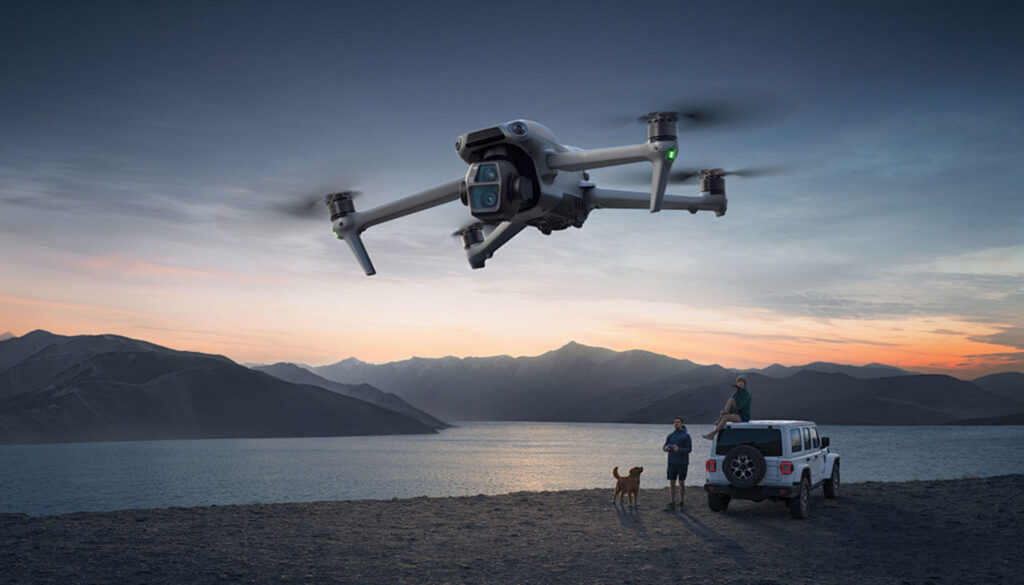
I. Advantages of Integrated Technologies: Addressing Core Pain Points of Traditional Inspection
Conventional single‑point temperature measurement and manual visual inspection are highly vulnerable to nighttime conditions, heavy fog, dust, complex terrain and high‑altitude hazardous environments. They are prone to missed detections, false readings and delayed inspections. Most hidden hazards such as equipment overheating, accumulated heat in circuits and smoldering in storage yards are often uncovered only after failures take place.
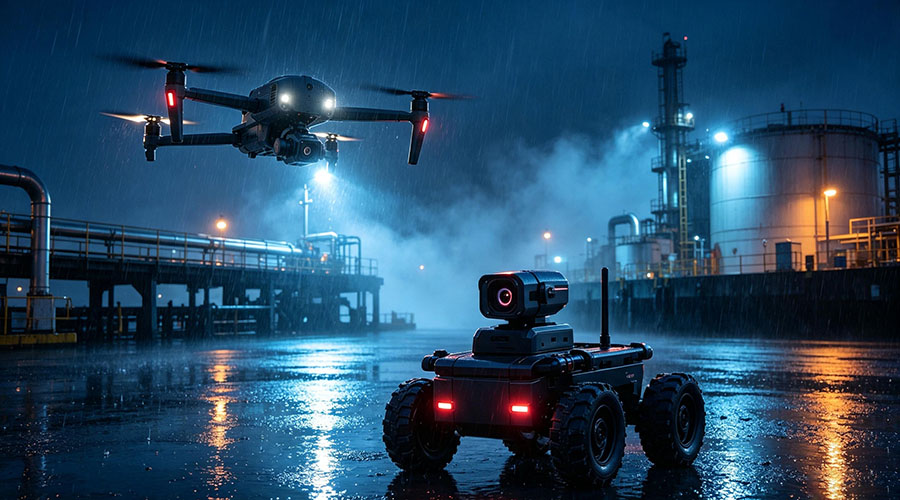
The deep integration of thermal imaging technology with UAVs and intelligent robots perfectly fills these industry gaps. Infrared thermal imaging delivers core capabilities including all‑weather imaging, non‑contact temperature measurement, temperature visualization and penetration through shallow obstructions, unaffected by light, weather or surrounding conditions. UAVs resolve challenges of large‑scale, high‑altitude and long‑range inspections for open and complex terrain scenarios. Ground‑based intelligent inspection robots cover inspection gaps in low‑altitude blind zones, confined spaces and high‑risk restricted areas. Working in synergy, the three form an intelligent closed‑loop inspection model of “wide‑area aerial scanning, precise ground verification and full‑coverage blind‑spot‑free monitoring”.
Furthermore, this complete intelligent inspection system can seamlessly connect with existing security and operation‑maintenance platforms without large‑scale renovation. It supports data archiving, hazard logging, intelligent alerts and device linkage. It helps enterprises achieve standardized, digital and intelligent inspection upgrades, shifting safety risk management from post‑incident response to proactive prevention.
II. Thermal‑Imager‑equipped UAVs: Wide‑area Aerial Inspection Use CasesFeaturing great flexibility and extensive coverage, inspection UAVs with HD infrared thermal imaging payloads eliminate the need for close‑range human operation. They serve as key devices for large‑scale outdoor intelligent inspections for high‑risk, long‑distance and complex‑terrain missions in various industries.
1. Power and New Energy Inspection
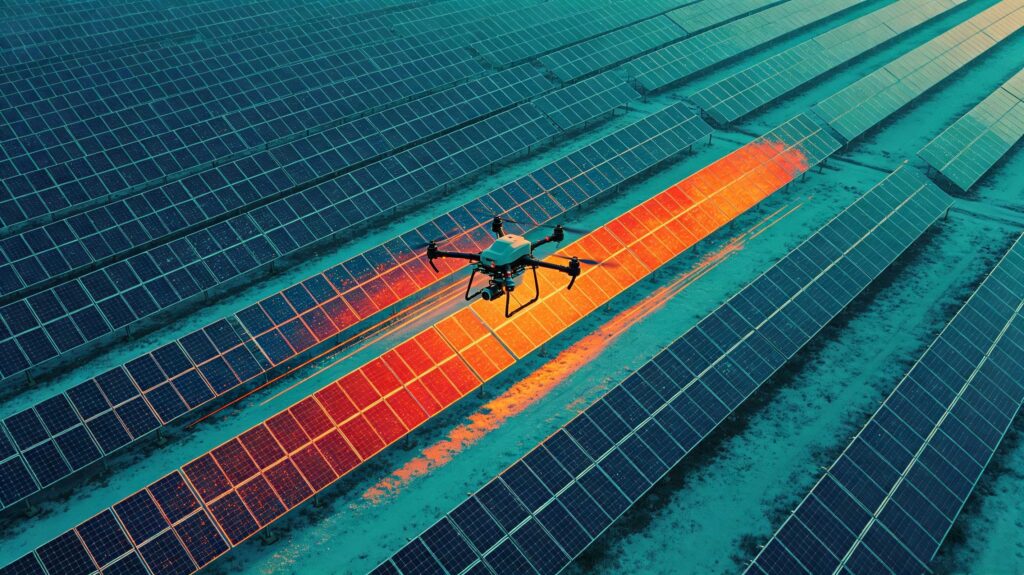
It is widely deployed for full‑range inspections of transmission lines, high‑voltage towers, outdoor substations, wind farms and photovoltaic power stations. It enables remote live‑power inspection to identify hazards such as oxidation at cable joints, poor equipment contact, hotspots on photovoltaic panels and abnormal temperature rises of wind‑turbine units. It quickly locates faults including overheated circuits and equipment overload, avoids risks associated with high‑altitude work, and ensures stable operation of power systems.
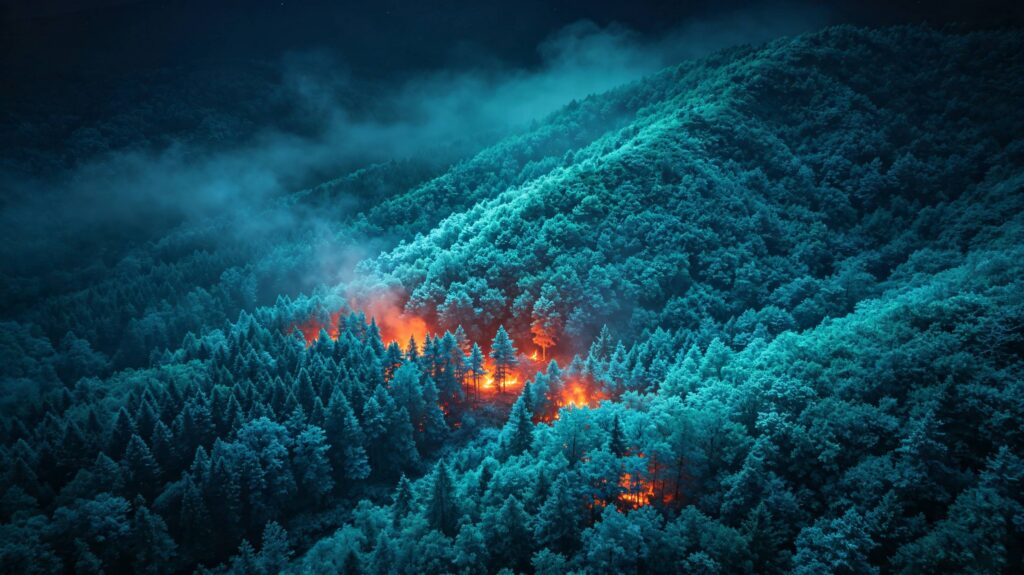
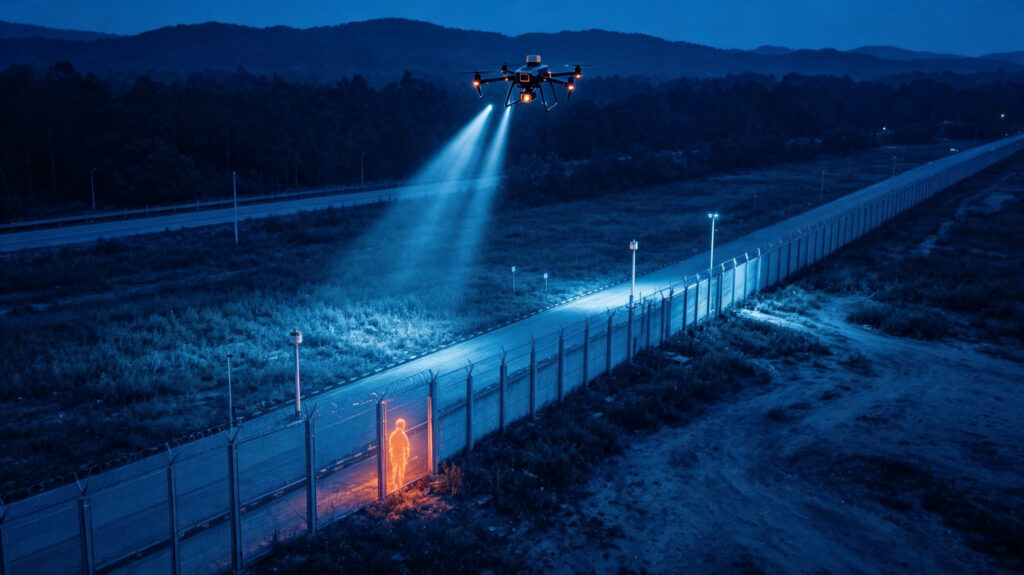
2. Forest Fire Prevention & Ecological Security MonitoringIt performs routine patrols over nature reserves, forest areas and outdoor buffer strips. Penetrating thin fog and surface vegetation, it spots concealed ground fires and early hot‑spots for pre‑fire alerts. It also detects human trespassing and unauthorized presence to reinforce wild‑area ecological security barriers.
3. Chemical, Oil & Gas and Site Security Inspection
Suitable for inspections of chemical parks, long‑distance oil‑gas transmission pipelines and open‑air storage tank yards. Leveraging temperature differences captured by thermal imaging, it accurately identifies pipeline leaks, abnormal heat accumulation in storage tanks and heat‑dissipation failures of process units. Meanwhile, it performs perimeter intrusion detection for plant sites, enabling dual screening for both production hazards and security risks.
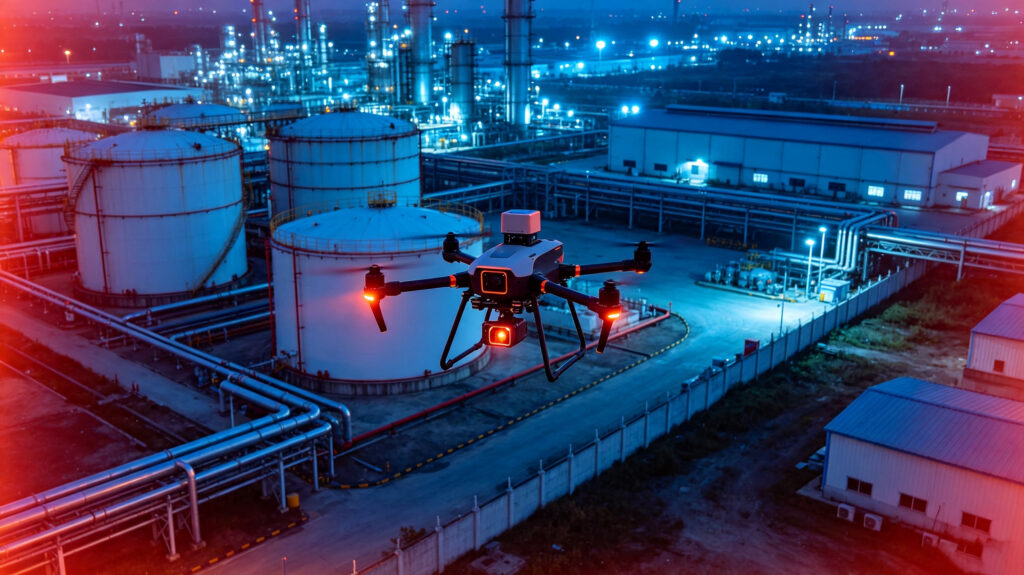
4. Infrastructure and Warehouse Security Inspection
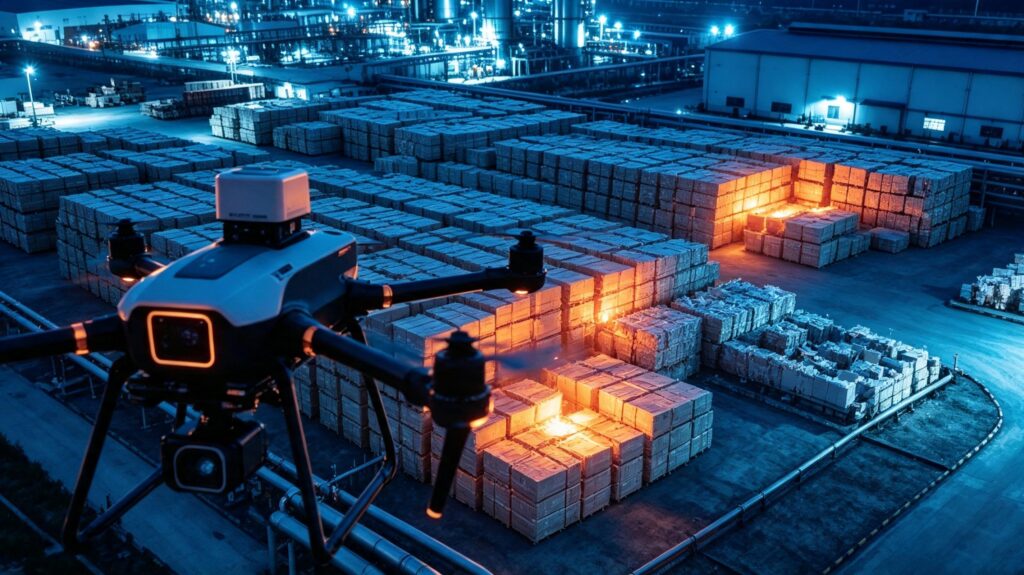
It conducts thermal imaging inspections on facades of bridges and tunnels, large‑factory rooftops and exterior wall structures to identify hollowing, water seepage and structural anomalies. Meanwhile, it applies to open‑air yards storing flammable materials such as grain‑oil products, paper goods and textile raw materials. It rapidly scans stockpiles for internal smoldering and heat‑accumulation hazards to prevent spontaneous‑combustion risks in advance.
5. Border and Field‑site Surveillance
For border buffer zones, large mines and outdoor construction sites, thermal imaging enables round‑the‑clock detection of hidden human presence under night‑time and harsh weather. It spots illegal border crossing and unauthorized activity, removing terrain‑ and vegetation‑caused blind spots of traditional surveillance.
III. Thermal‑Imager‑equipped Intelligent Robots: Application Scenarios for Precise Closed‑Loop Ground‑based Inspection
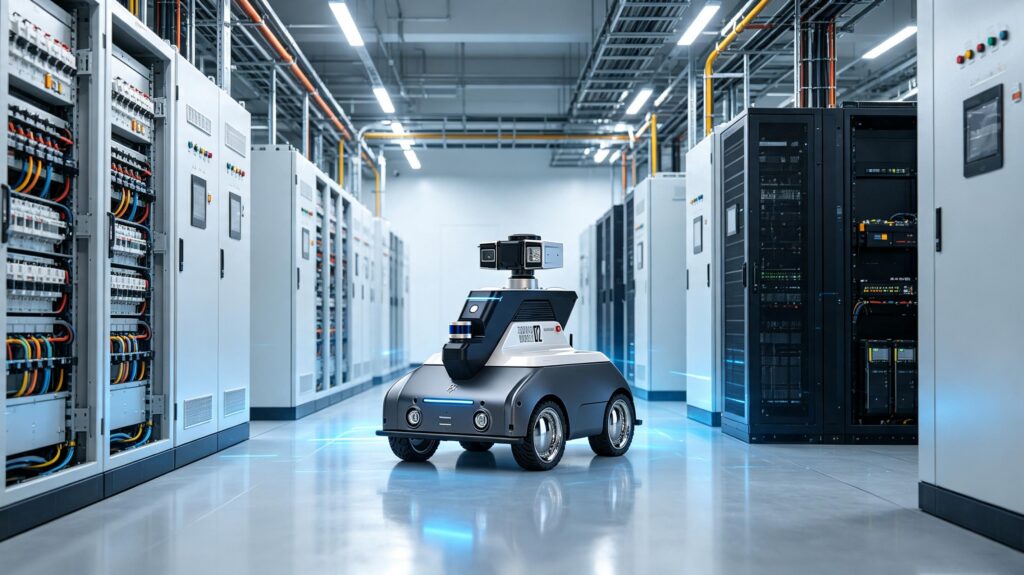
Compared with aerial UAV‑based inspection, intelligent inspection robots integrated with infrared thermal imaging are better suited for indoor confined spaces, underground environments, high‑risk explosion‑proof zones and routine high‑frequency inspection missions. They enable 7×24‑hour unattended autonomous inspection with higher accuracy, more comprehensive data output and superior stability.
2. Inspection for High‑risk Explosion‑proof Chemical Scenarios
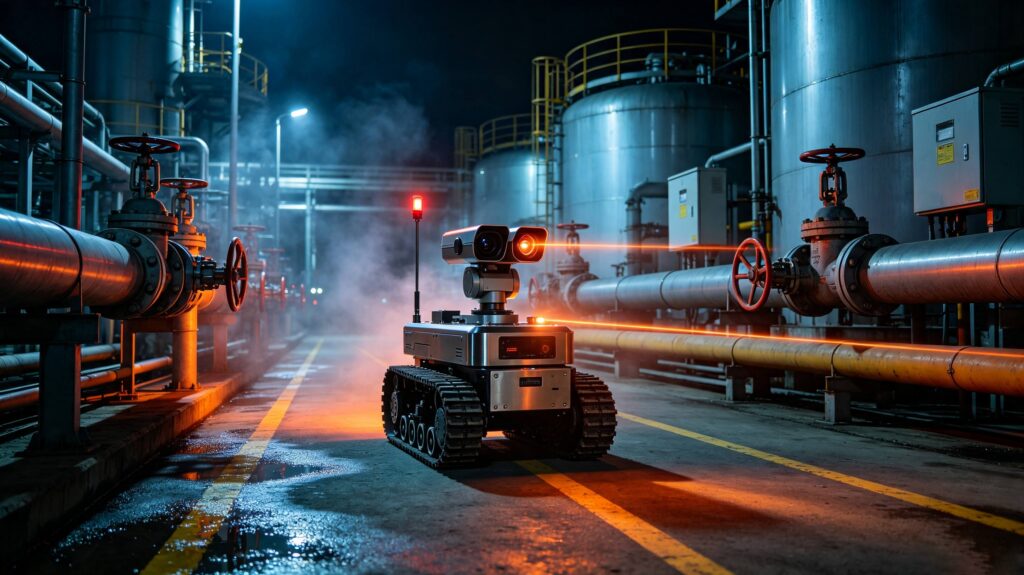
Explosion‑proof thermal‑imaging inspection robots can replace human operators to access high‑risk environments such as chemical workshops, hazardous‑material warehouses and explosion‑proof restricted zones. They autonomously detect abnormal heat generation and heat accumulation caused by leaks in production equipment and transmission pipelines. The robots eliminate safety hazards for on‑site personnel carrying out high‑risk tasks and enable round‑the‑clock safety management for chemical production.
3. Inspection of Underground Confined Spaces
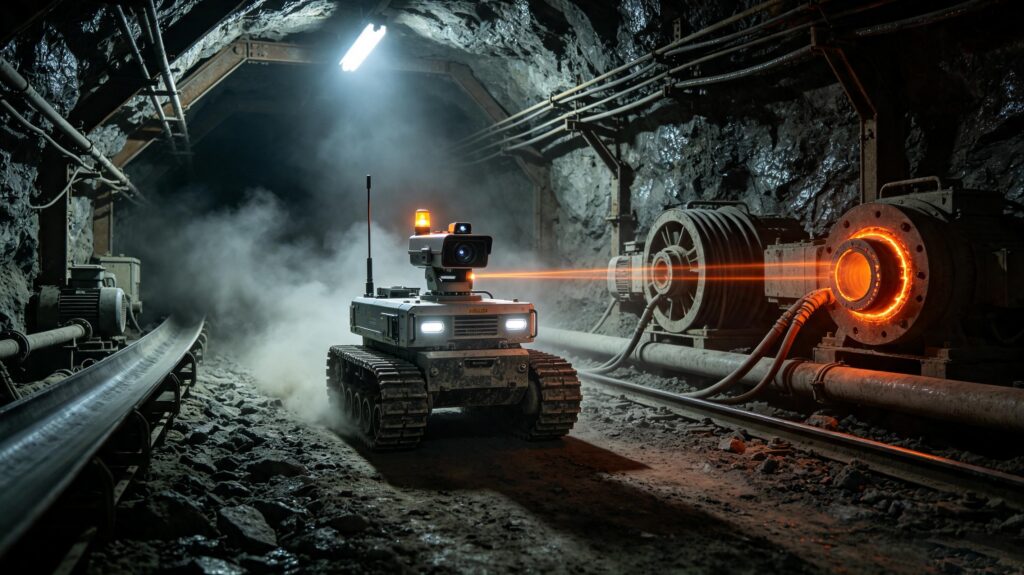
Designed for dark, dusty and hard‑access sites including utility tunnels, cable galleries and mine shafts. Thermal‑imaging‑equipped robots identify temperature anomalies on cable joints, underground machinery and transmission gear to eliminate underground inspection blind spots.
4. Public‑service Facility Inspection
Suitable for high‑occupancy venues such as schools, hospitals, stadiums and transportation hubs. It conducts routine inspections on electrical shafts, ceiling interlayers, concealed wiring, central air‑conditioning units and electromechanical equipment. It identifies latent fire hazards including heat accumulation and smoldering within hidden cables, safeguarding public facilities and personnel safety.
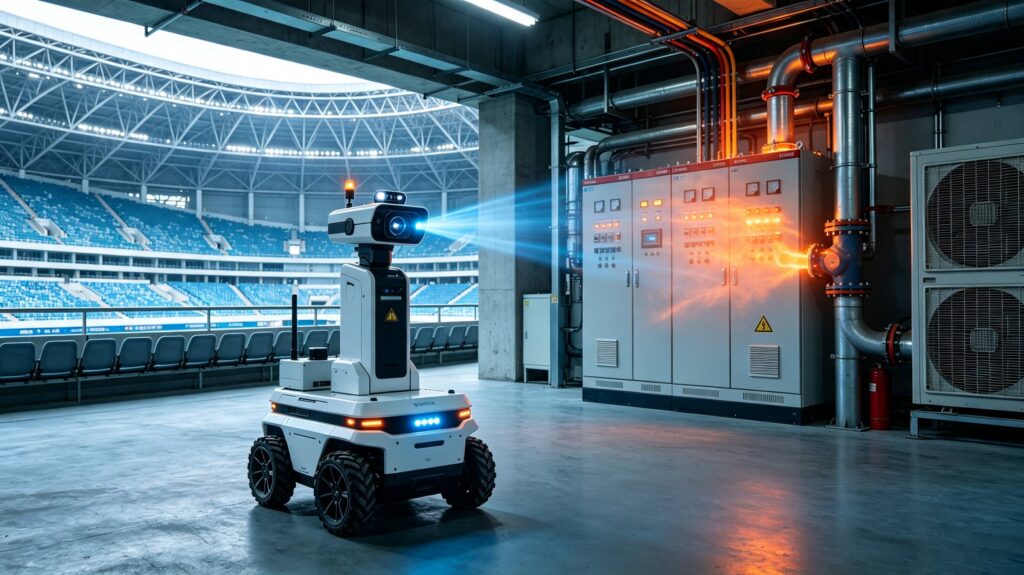
IV. Air‑Ground Collaborative Inspection: Building a Full‑scenario Closed‑loop Intelligent Security System
Standalone UAV‑only or robot‑only inspection comes with application‑specific limitations. The air‑ground collaborative model combining thermal imaging UAVs and ground‑based inspection robots creates a three‑dimensional, multi‑dimensional and closed‑loop intelligent inspection system.
UAVs undertake large‑scale, high‑altitude and wide‑area outdoor scanning to rapidly locate suspected high‑temperature hazard zones and abnormal security points. Intelligent inspection robots travel to target areas for close‑range precise temperature measurement, detailed verification and data collection, completing hazard confirmation, position logging and data archiving.
Relying on thermal‑imaging‑enabled visualized temperature measurement, the full system integrates the wide‑coverage strength of UAVs and the high‑precision persistent‑monitoring advantages of robots. It serves a comprehensive range of industries including power, manufacturing, chemical, new‑energy, transportation, warehousing, municipal engineering and border security. It also supports real‑time inspection data retention, automatic hazard‑log generation and standardized management of O&M workflows. It helps enterprises fundamentally resolve the pain points of conventional inspection: missed detections, low efficiency, high operational risks and poor traceability.
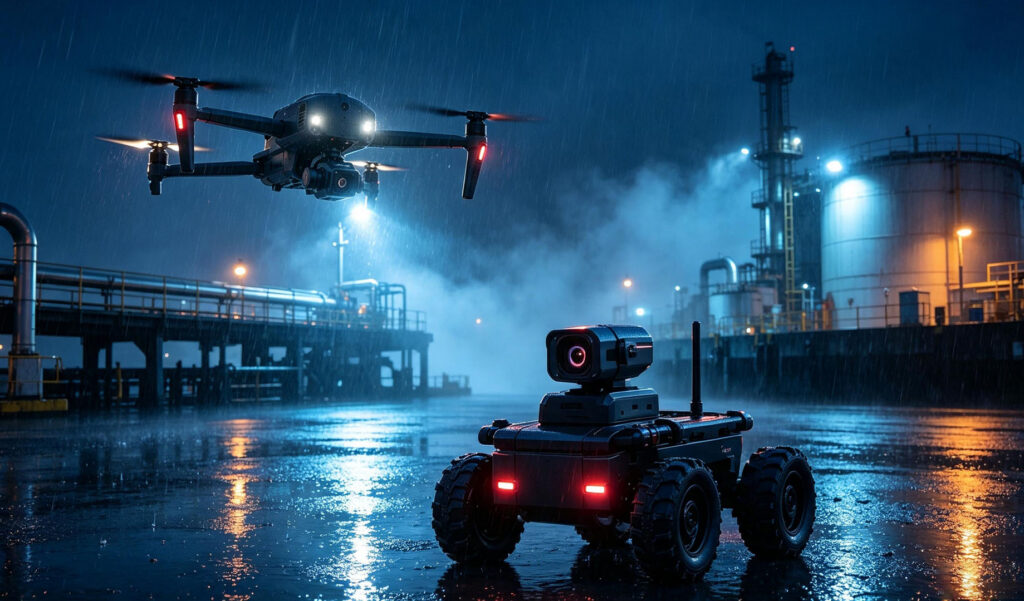
V. Technical Value and Industry Trends
Driven by industry upgrading for smart security and intelligent industrial operation‑maintenance, the integration of thermal imaging, UAVs and intelligent inspection robots has become a core trend for industrial intelligent transformation. Different from conventional visible‑light surveillance and manual inspection, this intelligent inspection solution delivers multiple strengths including all‑weather operation, blind‑spot‑free monitoring, non‑contact safety detection, digital traceability and low O&M costs. It can identify various hidden safety hazards in advance to mitigate risks of equipment failures, fires and safety incidents, while greatly cutting manual inspection expenses and improving inspection standardization and intelligence levels.
Looking ahead, with continuous iterations of AI algorithms, IoT and big‑data technologies, the air‑ground integrated thermal imaging inspection system will empower more industries in depth. It builds a solid intelligent and digital technical defense for the safe and stable operation of industrial sites, public facilities and border zones.