
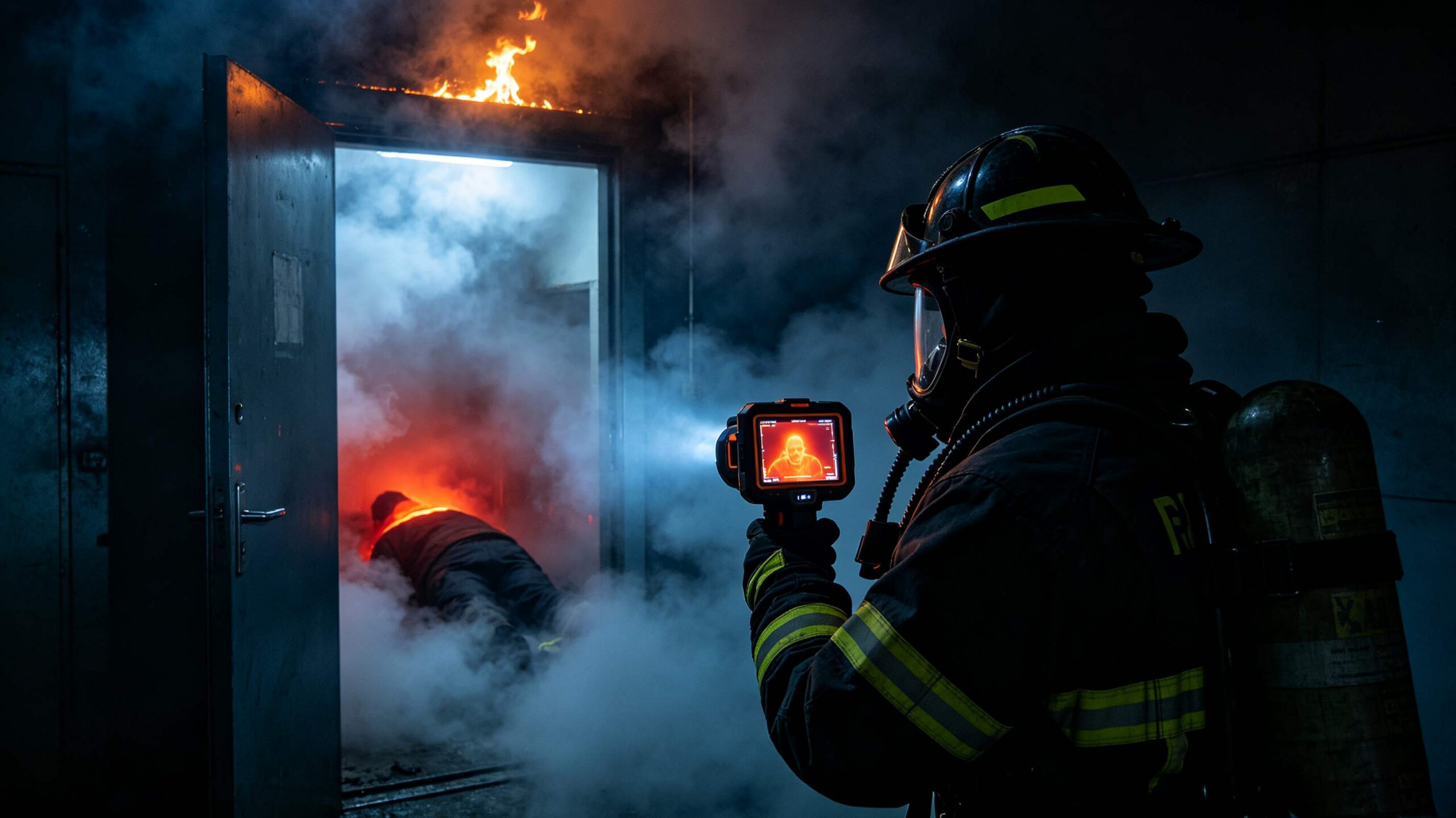
Thermal Imaging in Fire Rescue: Seeing Through Smoke to Save Lives
Inside a burning building, thick toxic smoke cuts visibility to zero within minutes. Flashlights, lighting, and visible-light cameras all fail. Firefighters searching by eye alone lose precious rescue time and risk burns, collapse, and toxic inhalation.
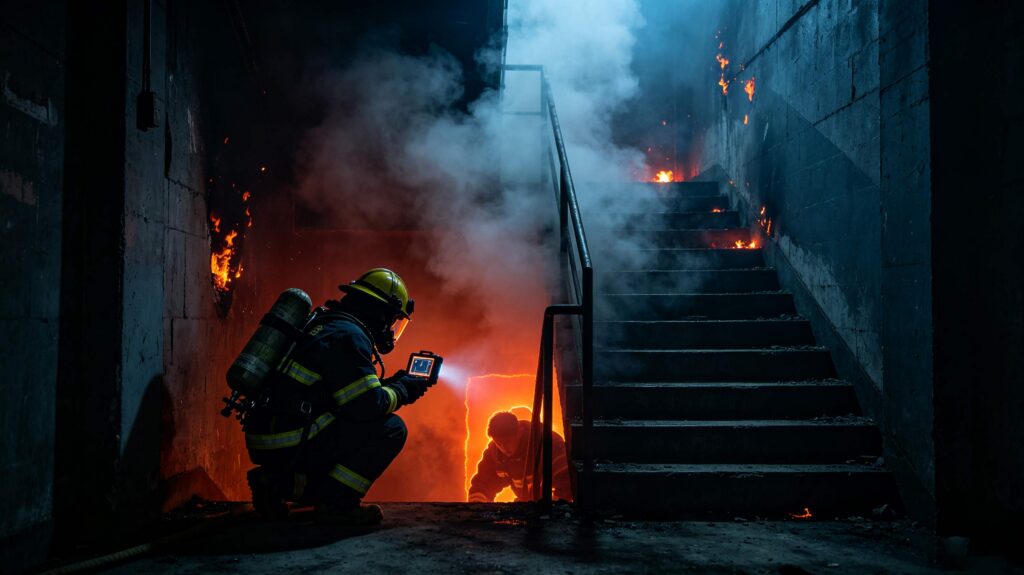
How Thermal Imaging Works in Smoke
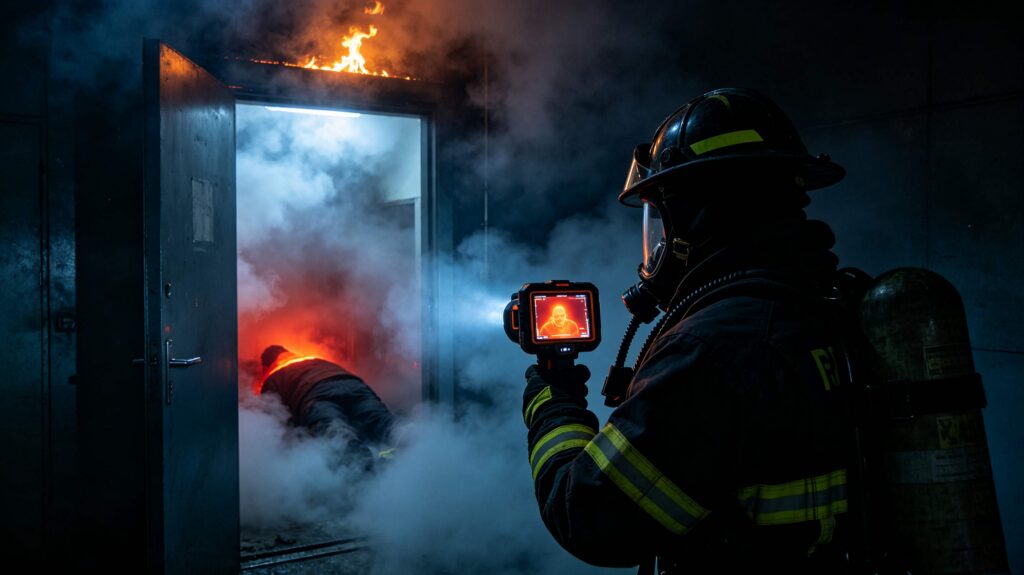
Thermal imaging cameras detect the infrared heat every object emits — no ambient light needed. They penetrate dense smoke and total darkness, and clearly separate a trapped person’s heat signature from the surroundings.
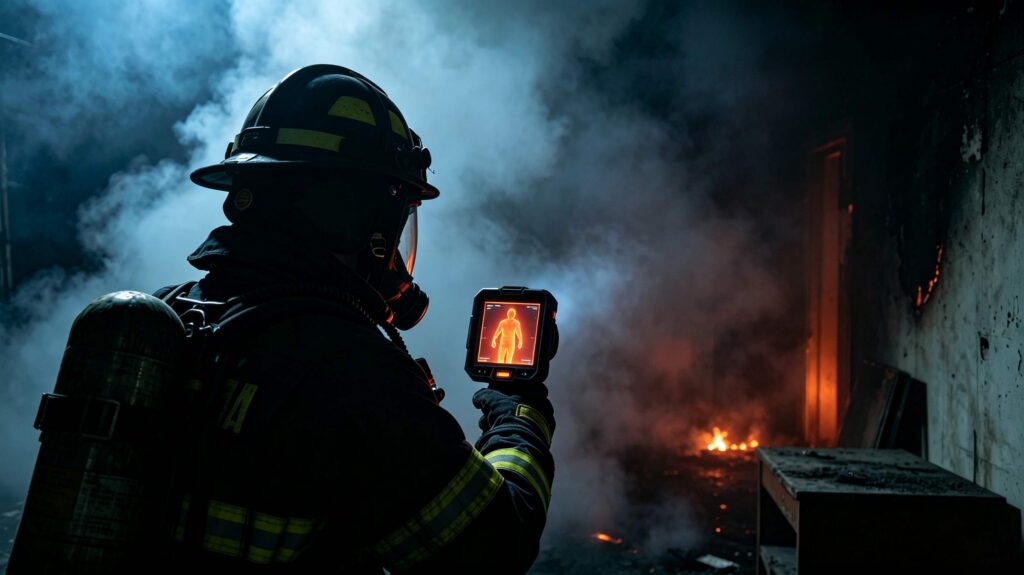
Finding Trapped Survivors Faster
A handheld thermal imager lets firefighters scan room corners, behind furniture, and inside partitions to lock onto a victim’s location instantly — compressing search time and holding the golden rescue window.
Protecting Firefighters from Hidden Dangers
- Identifies weakened, overheated walls, floors, and beams to predict collapse risk
- Pinpoints hidden fire sources and smoldering hotspots
- Helps plan safe routes for advancing, searching, and evacuating
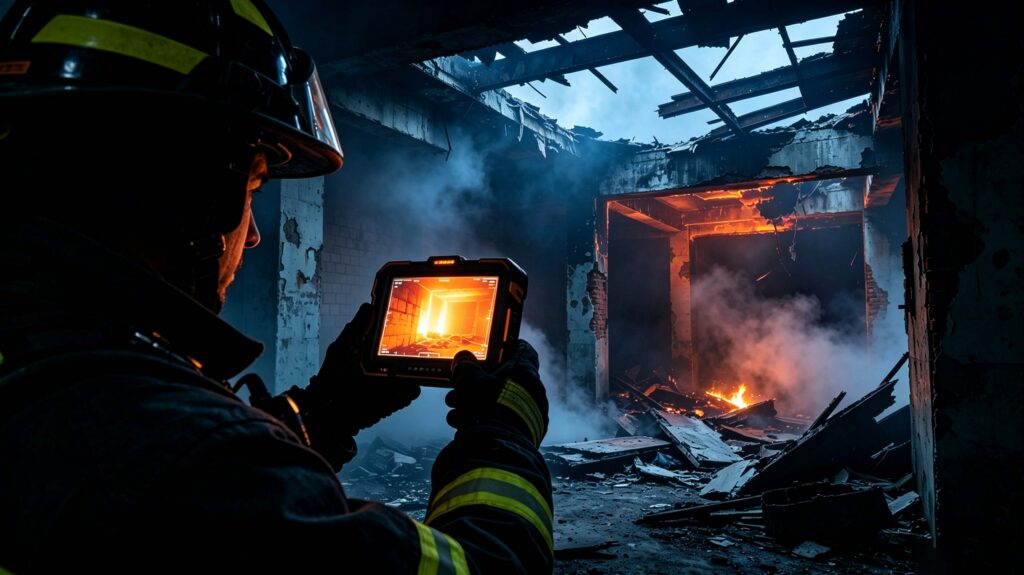
Covering Large, Complex Firegrounds
In multi-story buildings, underground garages, warehouses, and industrial plants, thermal cameras sweep every room and dead zone — targets are never lost behind smoke or furniture. Even an unconscious victim who can’t call out is detected, as long as their body emits heat.
From Blind Search to Active Rescue
Thermal imaging turns passive, eyes-only searching into heat-signature-visible proactive rescue — saving trapped victims while protecting firefighters themselves. It’s essential, mission-critical support for modern fireground operations.