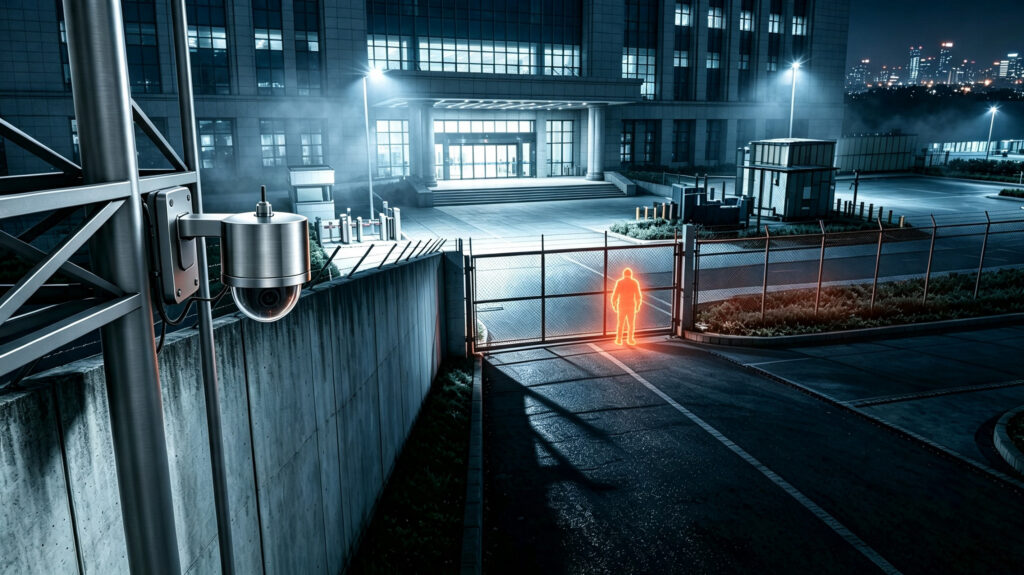
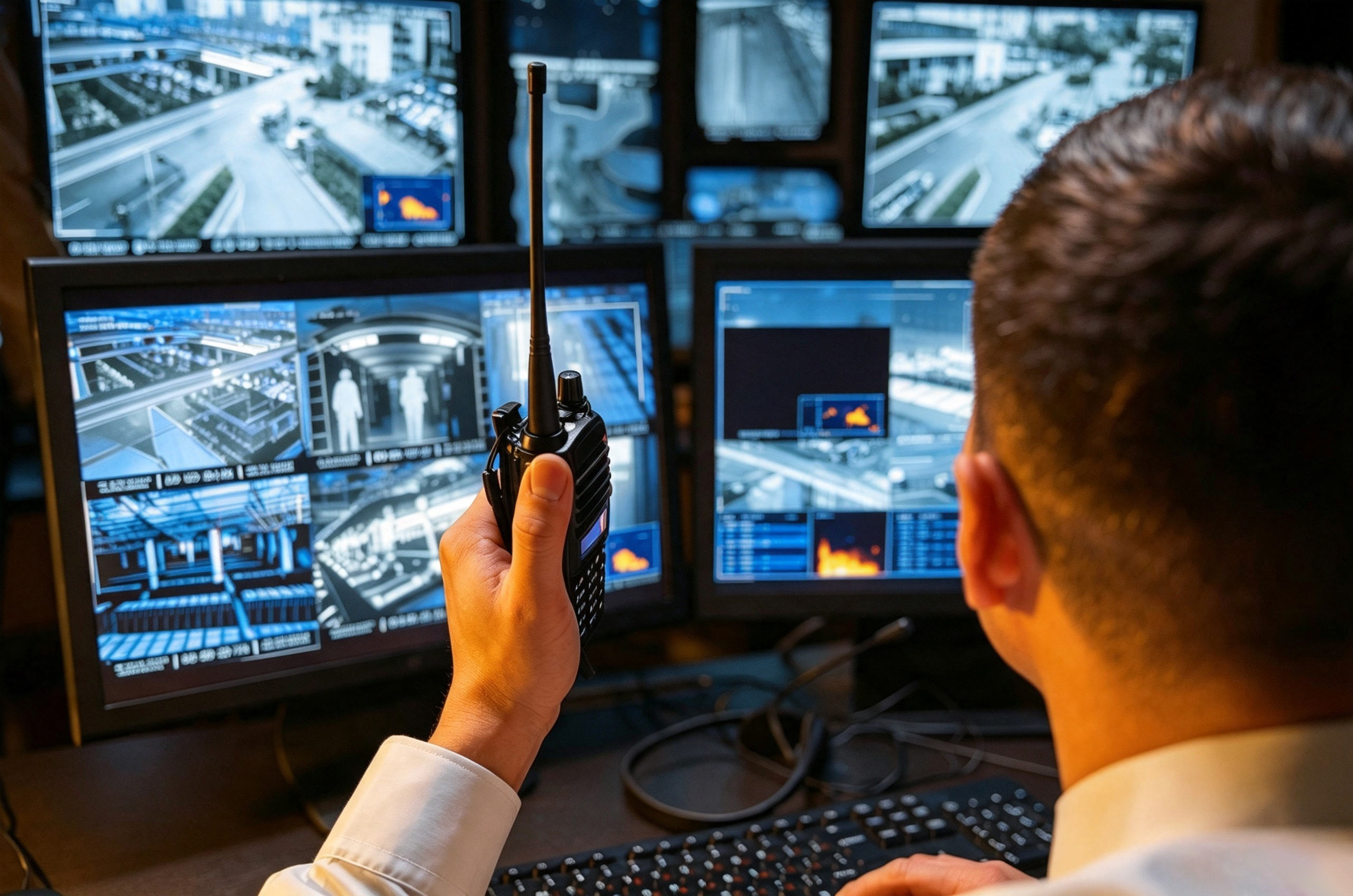
Traditional visible‑light security surveillance relies heavily on ambient lighting. It is prone to monitoring blind spots in scenarios such as nighttime, rain and fog, smoke dust and backlighting, resulting in missed and false alarms, and cannot deliver reliable round‑the‑clock protection. By contrast, thermal imaging generates images by detecting objects’ inherent infrared thermal radiation. Free from constraints of light and harsh weather conditions, it enables non‑stop 24‑hour detection and effectively makes up for the shortcomings of conventional surveillance.
Within the security & surveillance sector, fixed thermal imaging cameras work in tandem with handheld thermal imagers. Combined with intelligent AI algorithms, they deliver multiple functions including intrusion early‑warning, heat‑source inspection and hazard monitoring. This upgrades the conventional security model of post‑incident evidence collection to an intelligent safety management framework featuring proactive pre‑event prevention and real‑time in‑event alerting, making it one of the core technologies for today’s smart security systems.
I. Core Advantages of Thermal Imaging for Security & Surveillance
-
Zero‑light imaging for round‑the‑clock reliable monitoring
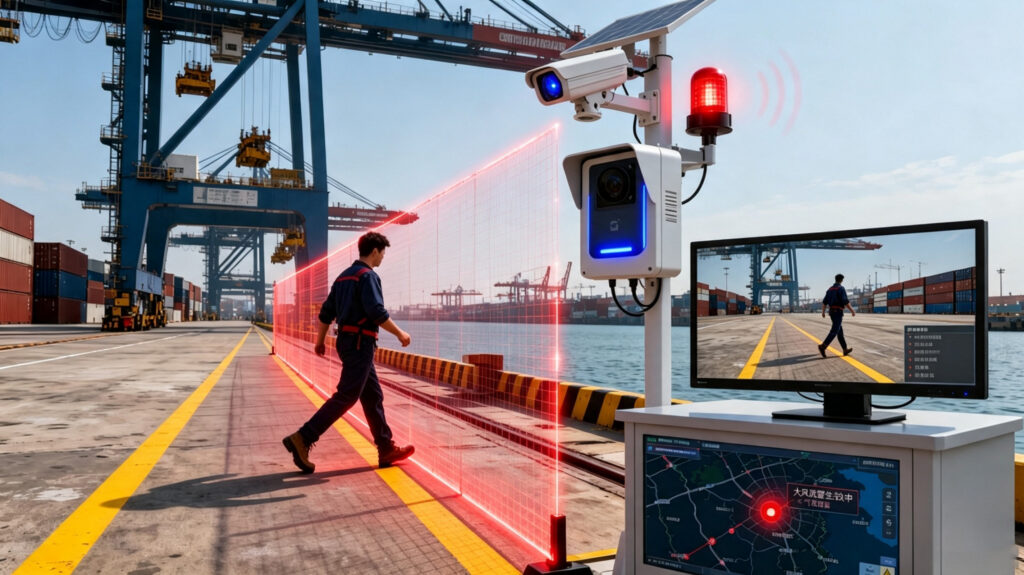
No supplementary lighting is required. Based on pure heat‑source imaging principle, it breaks free from light constraints. Critical targets such as people and vehicles can be clearly identified even in pitch‑black darkness, eliminating security blind periods at night.
-
Robust performance in harsh environments with superior penetration capability
It effectively resists interference from light rain, heavy fog, smoke, dust and backlight glare to deliver stable imaging. It adapts to demanding monitoring environments including open‑air sites, remote industrial plants and off‑grid stations.
-
Intelligent classification to reduce monitoring workload
Powered by AI analytics algorithms, it accurately distinguishes humans, vehicles, animals and irrelevant ambient heat sources, filters out false alarms, and makes security alerts more accurate and efficient.
-
Multi‑function design for both security protection and inspection
Besides perimeter intrusion prevention, it detects abnormal temperature rises of equipment in real time. It performs security alerting and equipment risk detection simultaneously, greatly improving the overall value of security systems.
II. Real‑world Deployments: Typical Applications of Thermal Imaging in Security & Surveillance
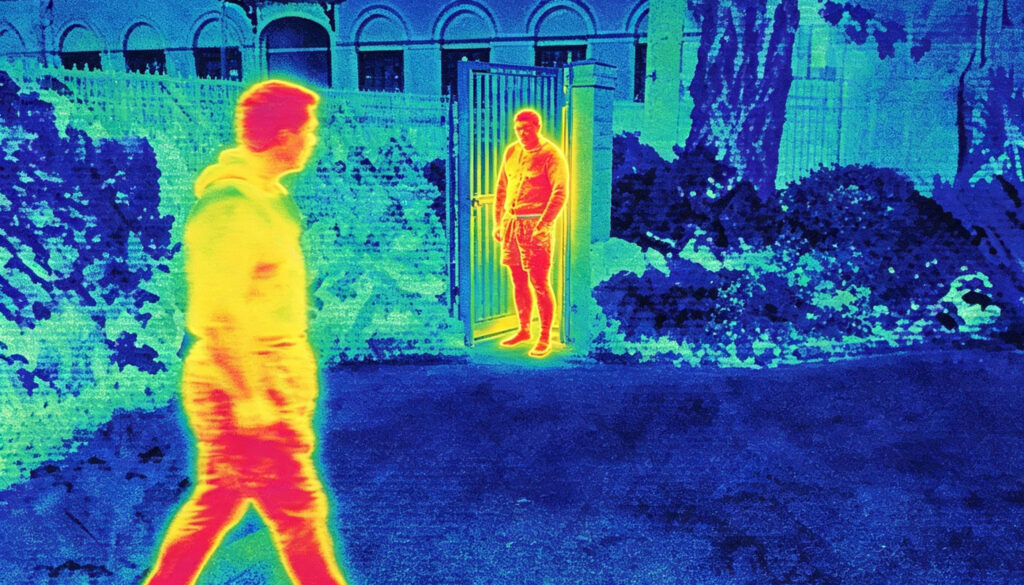
Thanks to its portability, stability and versatility, infrared thermal imaging equipment has been widely deployed in diverse security‑surveillance scenarios, meeting varied security requirements for both fixed‑point monitoring and mobile inspection.1. Perimeter Protection for Industrial and Business ParksIndustrial parks feature large land areas and long perimeters with low human activity at night, constantly exposed to security risks such as illegal climbing, unauthorized intrusion and property theft. Conventional surveillance suffers from poor night‑time visibility, numerous shadow‑caused blind spots and incomplete coverage. Thermal‑imaging surveillance enables long‑range, wide‑area perimeter monitoring. Human targets hiding behind vegetation or shadows can be accurately identified by their heat signatures. Upon detecting trespassing or wall‑climbing activities, the system triggers audio‑visual alerts and links PTZ cameras for tracking and evidence collection, significantly reducing manual monitoring workload and mitigating security vulnerabilities within the park.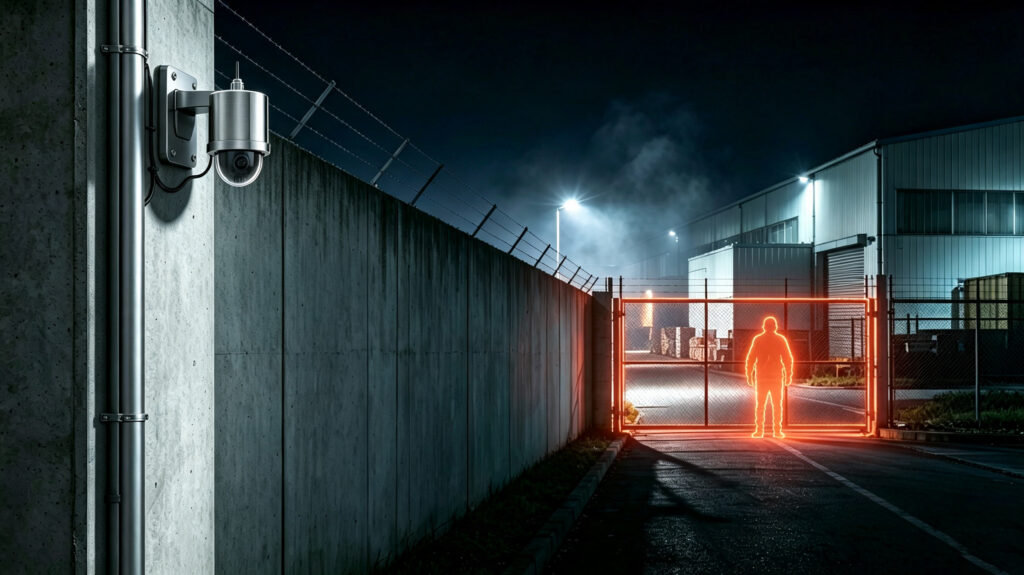
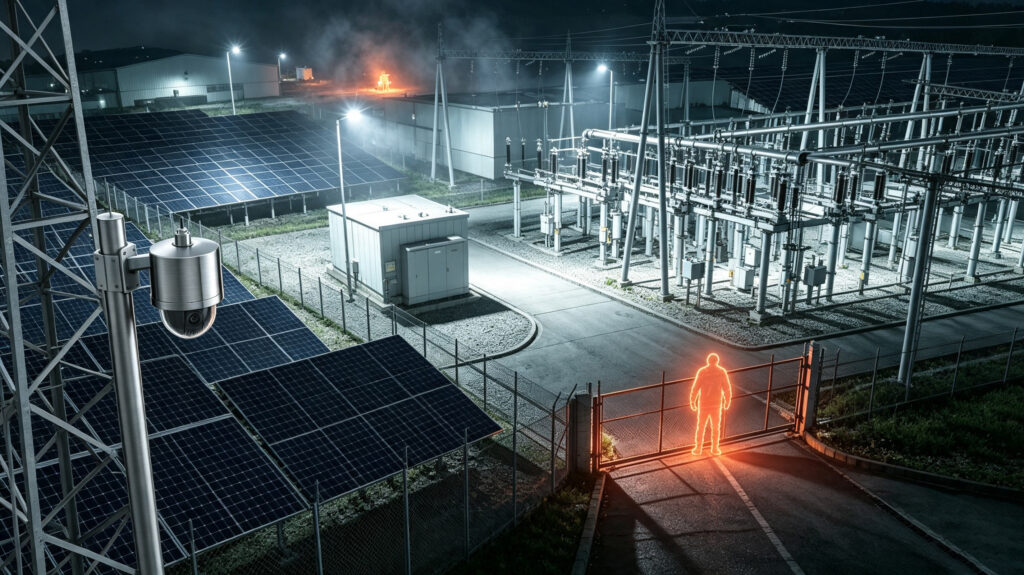
Energy facilities including substations, photovoltaic power stations, oil‑gas plants and mines cover vast areas and are often located in remote locations with limited security manpower. Densely packed electrical equipment on‑site creates dual requirements for anti‑theft security and temperature‑based fire prevention.
Thermal imaging systems provide 24‑hour monitoring to detect intruding personnel and vehicles around the perimeter. Meanwhile, they continuously spot abnormal temperature rises in transformers, switchgears, power transmission pipelines and other assets. Delivering an all‑in‑one solution for site security and equipment risk inspection, the system satisfies intelligent management demands for unattended energy stations.
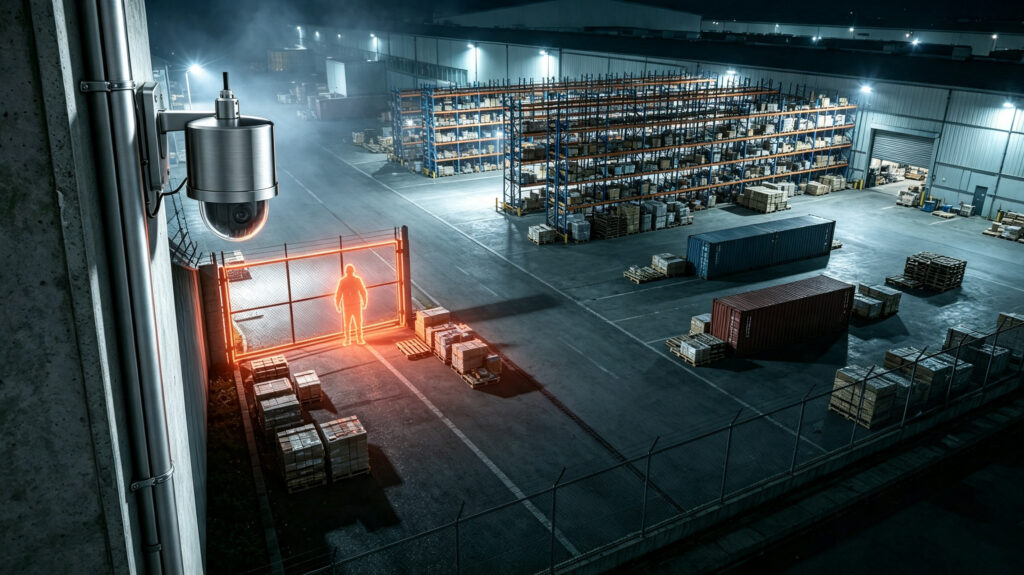
Large warehouses and open‑air cargo yards store massive volumes of goods, where fire prevention and anti‑theft are top security priorities. Conventional surveillance cannot detect concealed heat sources, making it difficult to spot early hazards such as smoldering goods and overheating caused by aging circuits, which may easily lead to fire accidents.
Thermal‑imaging devices perform real‑time full‑area scanning to accurately capture early hidden high‑temperature heat sources for pre‑emptive fire risk mitigation. Meanwhile, they provide round‑the‑clock vigilance against unauthorized intrusions and material theft, delivering comprehensive protection for stored goods and site safety.
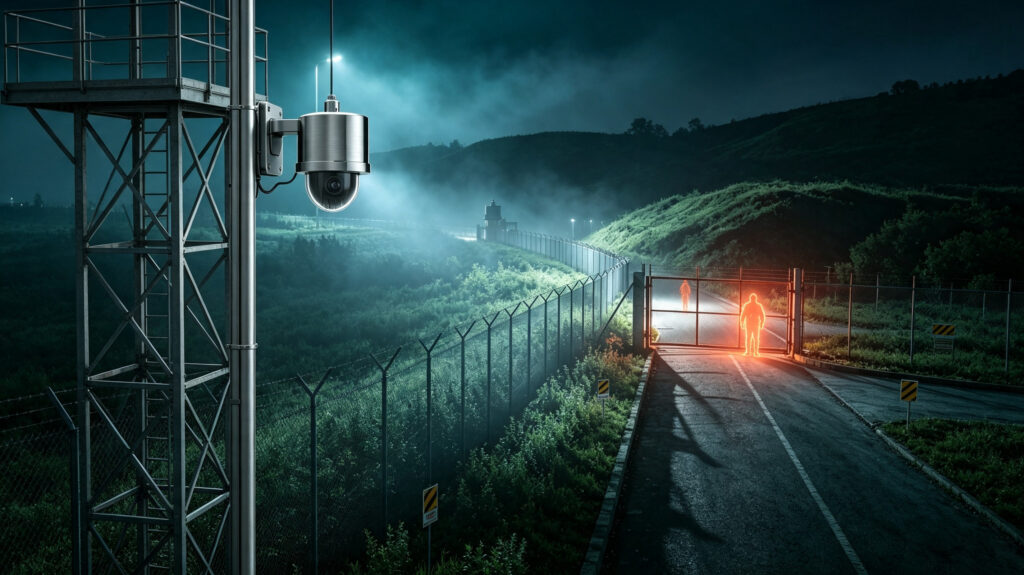
Field‑based scenarios including nature reserves, construction sites and border separation zones feature complex terrain, dense vegetation and poor lighting conditions. Visible‑light surveillance is frequently obstructed by trees and landforms, resulting in numerous monitoring blind spots.
Critical public facilities such as transportation hubs, municipal venues and data centers demand high stability and real‑time responsiveness from security systems.