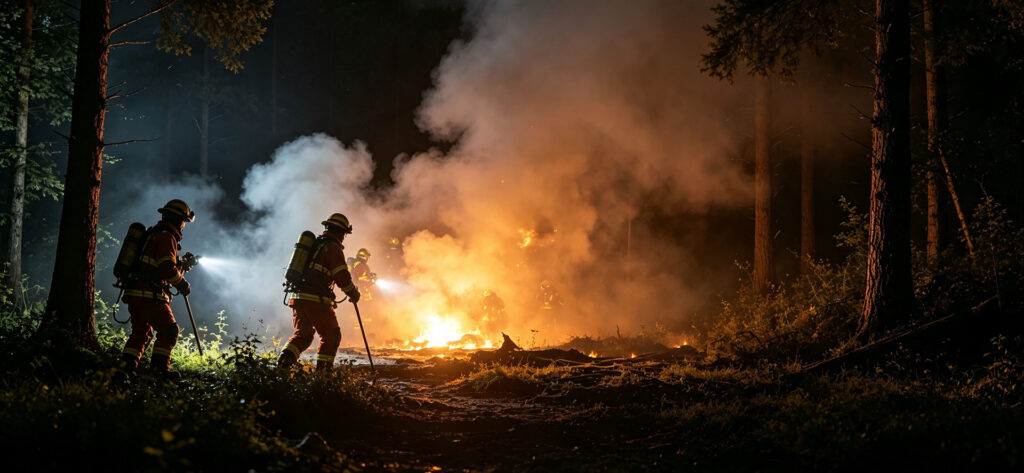
Traditional fire safety relies on visual observation and manual inspections. It has inherent limitations when dealing with low‑temperature hidden fires and smoke‑filled dark environments. Covered hazards can hardly be identified, and search‑and‑rescue operations in fire scenes are highly vulnerable to disruptions.
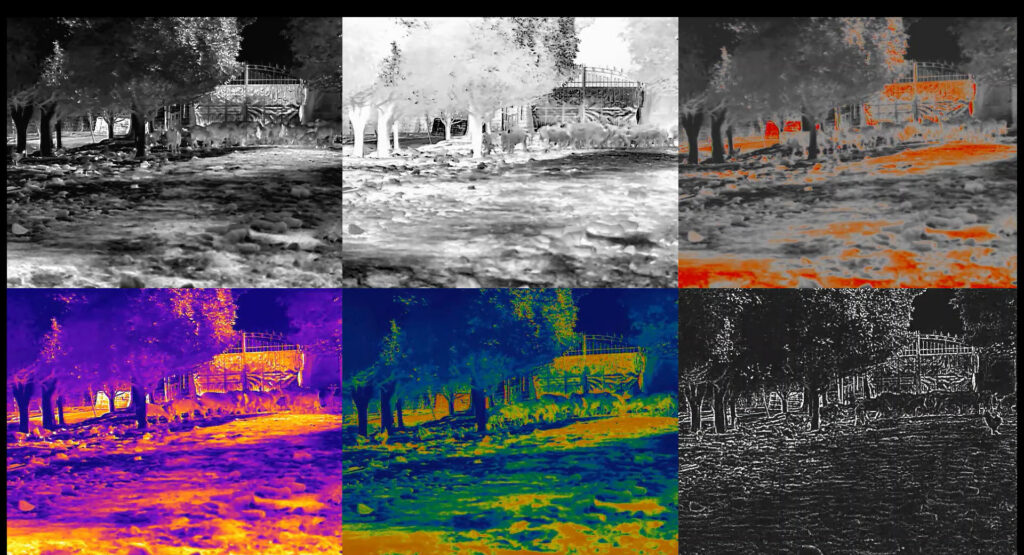
Independent of visible light, thermal imaging technology produces temperature‑based images by capturing objects’ infrared thermal radiation. It overcomes environmental constraints from the technical foundation, covering the full workflow of pre‑fire early warning and on‑site rescue, and has become a core technical measure for modern fire safety.
I. Passive Infrared Temperature‑Measurement Imaging for Early Hazard Early‑Warning
All objects above absolute zero radiate infrared energy outwards. The thermal imaging core receives infrared radiation signals and converts temperature differences into visual images. It operates day and night with no lighting required.
Hazards such as smoldering forest fires, grain‑silo smouldering and overheating electrical equipment often produce no obvious open flames. While visible‑light‑based devices fail to detect these risks, object temperatures will rise in advance.
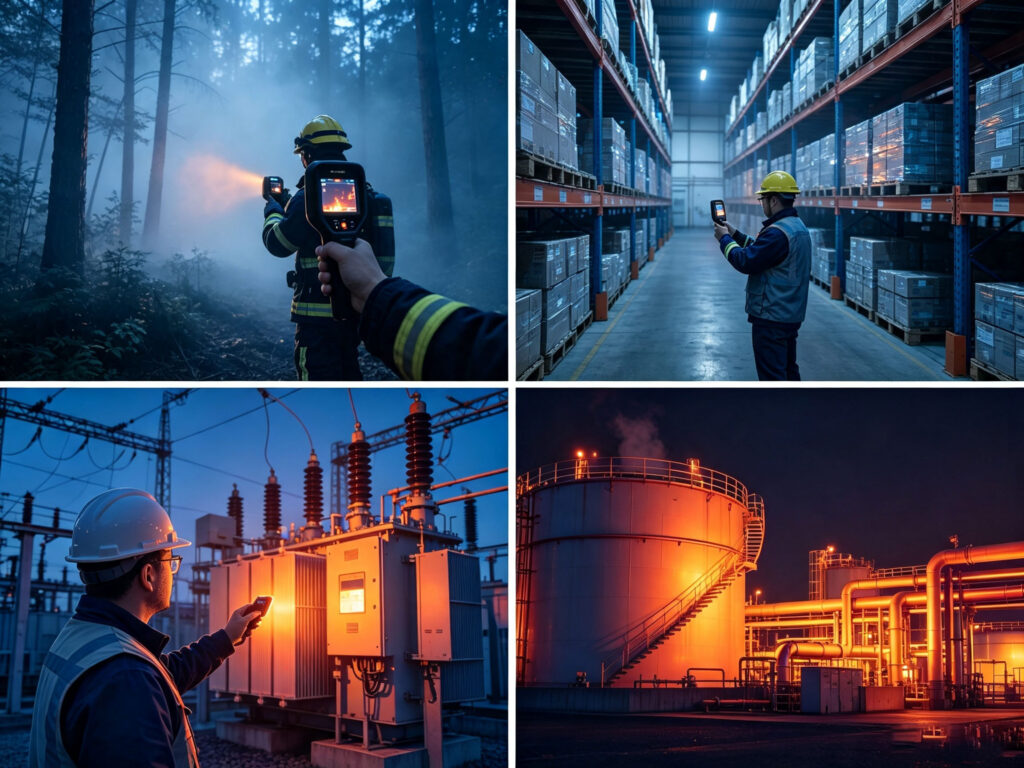
For forest and warehousing scenarios: Thermal imaging can penetrate thin mist and light smoke to capture faint high‑temperature heat sources and accurately locate smoldering fire spots. Combined with an intelligent algorithm platform, it judges temperature thresholds within images to enable 7×24‑hour automatic monitoring and linked alarm triggering. No on‑site human attendance is required, and early warnings can be issued before open flames break out.
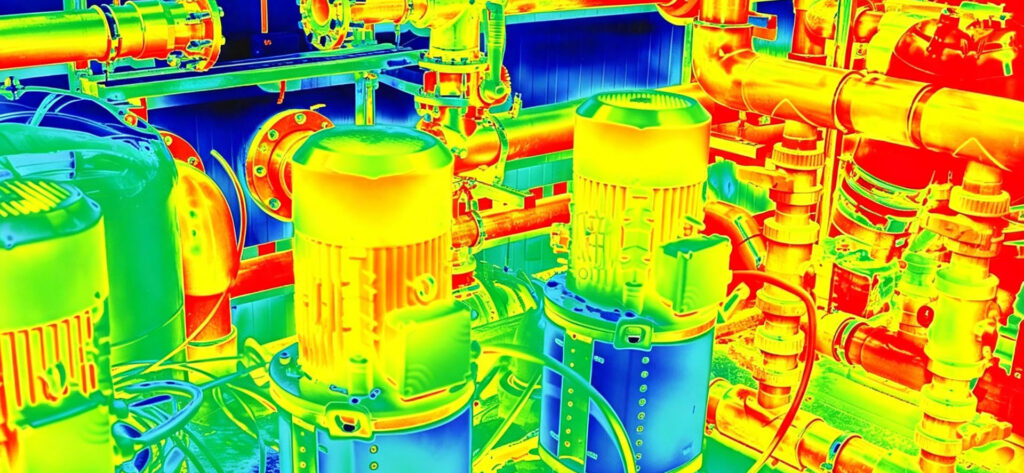
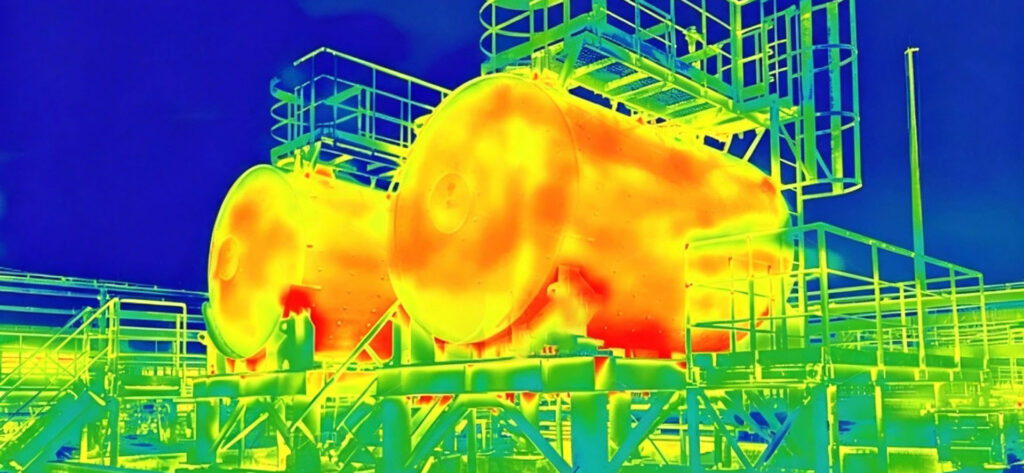
For power and chemical industry scenarios: Leveraging non‑contact infrared temperature‑measurement capability, thermal imaging conducts temperature monitoring for transformers, power transmission pipelines and storage tanks. Abnormal temperature rises occur when equipment suffers aging, overload or leakage faults. Thermal imaging captures subtle temperature variations, and the system automatically generates alerts to prevent spontaneous combustion and deflagration accidents in advance.
Core Technical Value: Detecting Temperature Before Seeing Flames — Shifting Fire‑response Intervention from “Post‑ignition” to the “Temperature‑rise Hazard Phase”
II. Anti‑interference Thermal Sensing to Boost Practical Fire‑scene Search‑and‑Rescue Capabilities
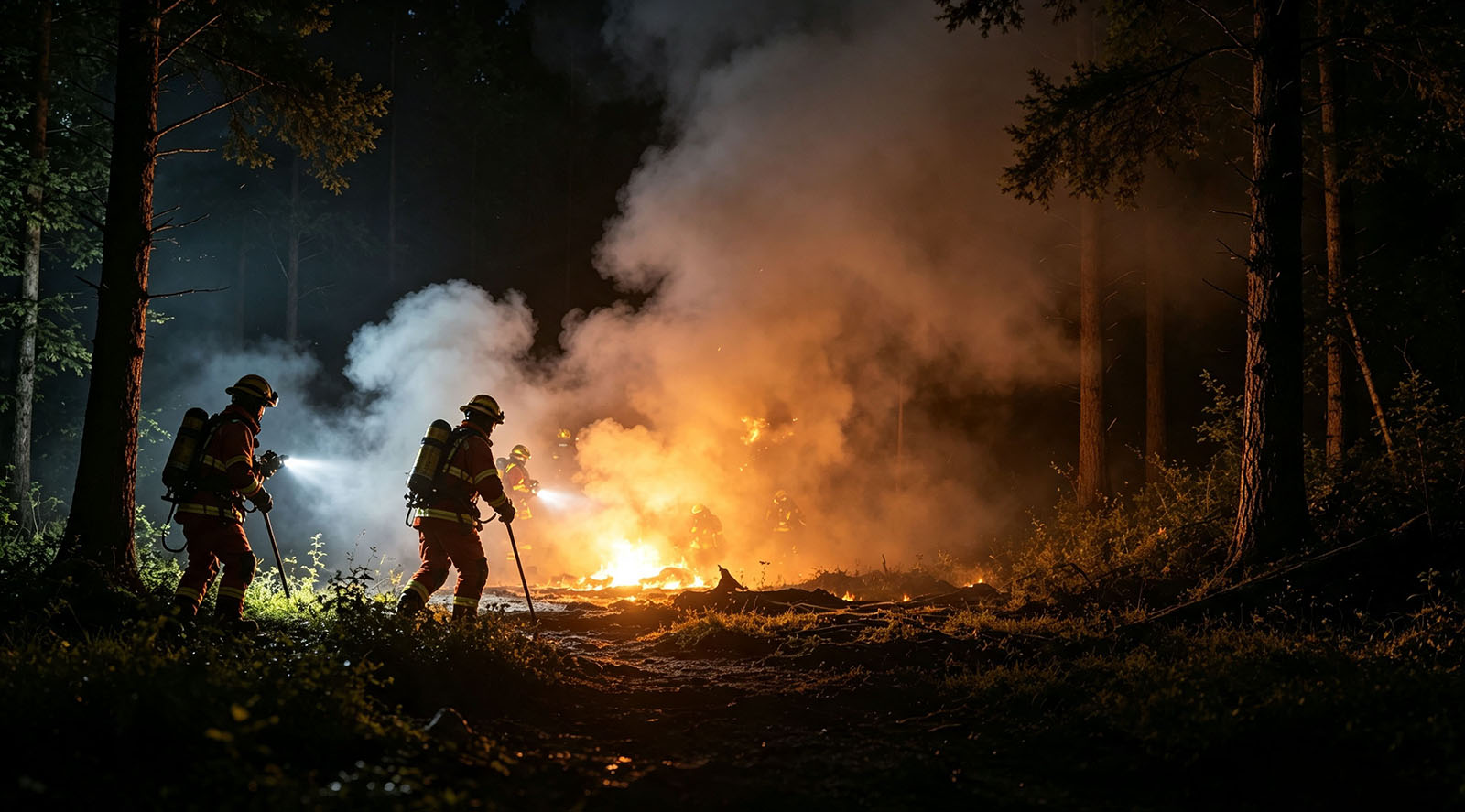
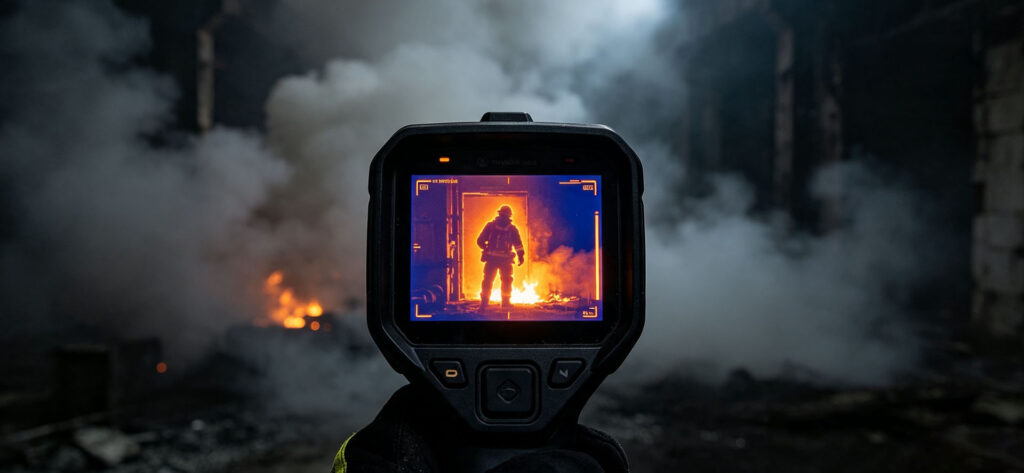
Fire sites are filled with heavy smoke and dust, which completely block visible light. Conventional cameras and human eyes largely become ineffective. In contrast, infrared thermal radiation can penetrate dense smoke and soot without being disturbed by darkness or fire glare.
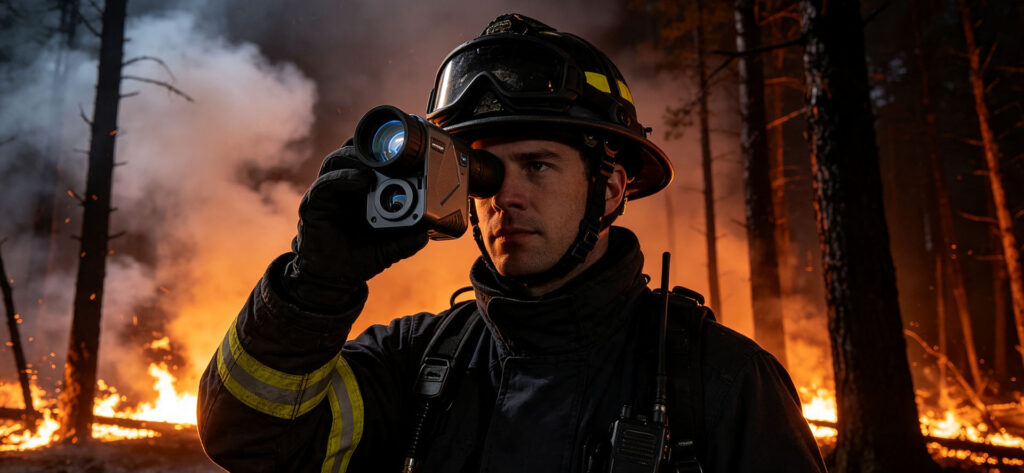
Thermal imaging devices form images based on temperature differences among objects. Heat sources from human bodies, combustibles and supplies are clearly distinguished on the display. Firefighters can rapidly locate trapped personnel and identify main fire points directly from thermal images, gaining a clear view of the real‑time internal situation inside the fire scene.
Based on heat‑source information output by thermal imaging, rescuers can rapidly formulate operational tactics and shorten the duration of search‑and‑rescue and fire‑fighting operations. This improves the success rate of locating trapped personnel while lowering on‑site operational risks for firefighters, enabling precise fire suppression and rescue missions.
III. Technical Capabilities Empower Closed‑Loop Fire Safety Across Multiple Industries
Featuring four core technical attributes — passive infrared detection, non‑contact temperature measurement, 24/7 operation and smoke penetration — thermal imaging technology enables a complete fire‑safety business loop covering hazard monitoring, fire‑event alarming and on‑site search‑and‑rescue.
This technology can be deployed in scenarios such as forest fire prevention, warehousing & logistics, electric power & energy, chemical industrial parks and urban buildings. As core‑module resolution, temperature‑measurement accuracy and AI recognition algorithms keep iterating, thermal imaging technology continues to empower smart fire safety. It compensates for the shortcomings of conventional security systems with temperature‑sensing capabilities and provides technical support for safe production across various industries.